It was a bitterly cold and stormy night on February 2, 1959. The residents of Clear Lake, Iowa, had no other option than to escape indoors for some relief from Winter’s fierce presence, and there was one event everyone was scrambling to get to. That brisk night, the Surf Ballroom was welcoming music legends Buddy Holly, Ritchie Valens, and The Big Bopper onto their stage for a stop on the trio’s Winter Dance Party Tour. The soiree was filled with community, fantastic music, and an overall feeling of love. Every Iowa resident seemed pleased, but unfortunately, the performers did not.
The next night, after frustrations with their tour bus, Holly, Valens, and Bopper decided to fly out of Iowa to get to the next stop of the tour. That flight fell victim to the wintry slush that had been kicked up and crashed, killing everyone on board. February 3, 1959, is now referred to as “The Day The Music Died,” and the Surf Ballroom became synonymous with the tragic event. Thankfully, the historic venue takes nothing but pride in hosting the last live performance from these three legends, and has gone on to make everyone who battled that bleak February weather on that legendary night proud.
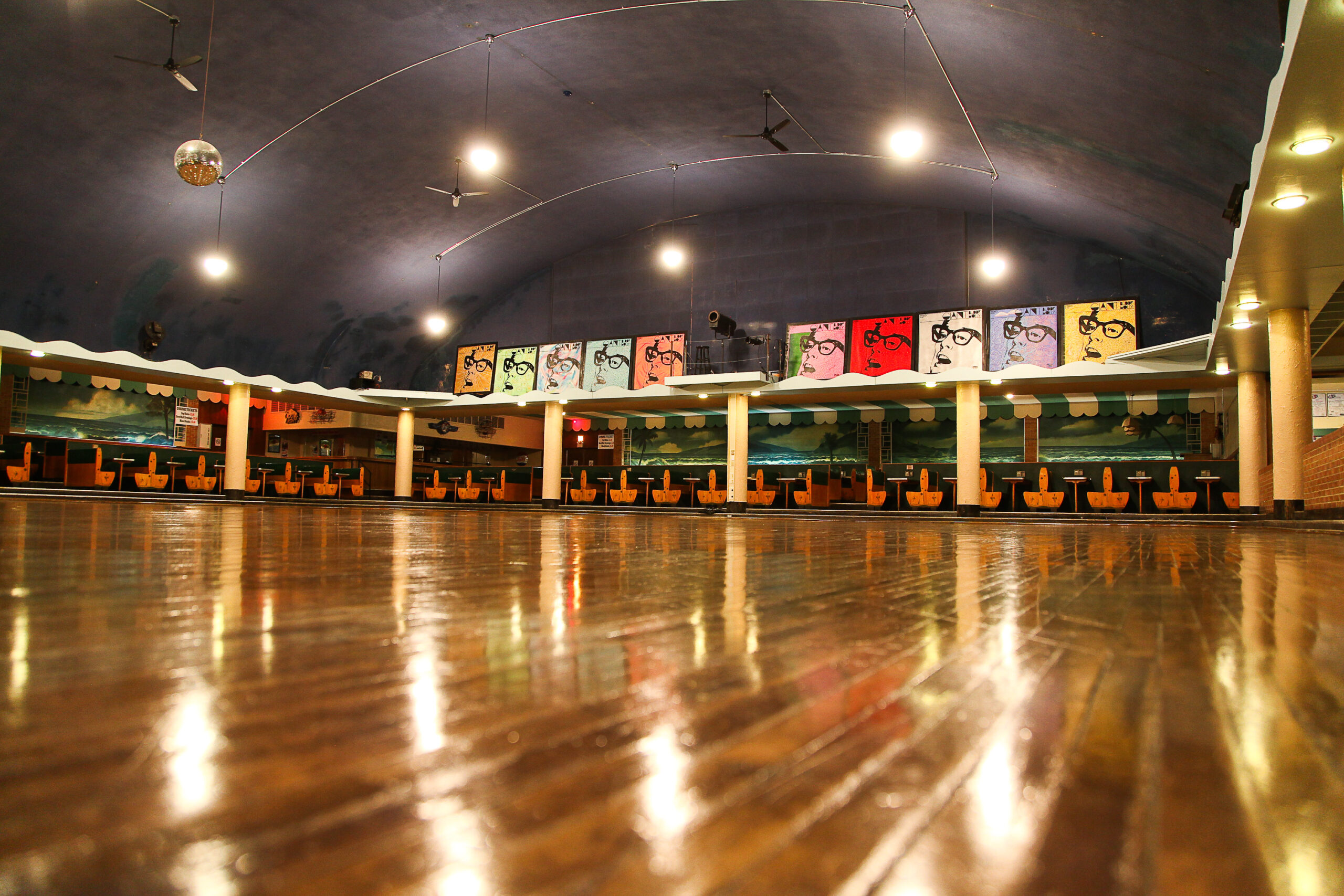
Sixty-six years have passed since The Day the Music Died, and Surf Ballroom has stayed true to its legacy, and the time has come to expand it. The venue is now one of the few concert halls to be considered a National Historic Landmark, and the first week of September marks the opening of Not Fade Away, their immersive new exhibit set to open on September 7. The new exhibit will connect the corners of American music history with artifacts from Holly, Valens, Bopper, BB King, Slash, and more. The exhibit will be housed in the Surf’s new Music Enrichment Center, a place where cutting-edge technology meets honored tradition.
Glide had the pleasure of catching up with Brian Luallen, CEO of Surf Ballroom, to discuss Not Fade Away, the rich and ever-growing history of the venue, and the importance of community. You can read our whole conversation below.
The Surf Ballroom is one of the few music venues in the United States that is considered a national landmark. Because of that, do you often find the people in attendance for concerts aren’t so much a fan of the band as they are to see a show in a famous room?
Both. Some come for the headliner, but many walk in just to stand where Buddy Holly, Ritchie Valens, The Big Bopper, and thousands of artists—from the big band era to modern hard rock—have played. We’ve had visitors from across the globe, like a couple from Britain who saved all year to attend our Winter Dance Party. They showed up in full 1950s rockabilly style and didn’t stop smiling the entire weekend. That’s the magic of the Surf—it’s a pilgrimage as much as it is a concert.
Being located in the small town of Clear Lake, Iowa, certainly had some advantages and disadvantages. How did a music venue of this caliber originate in a small town versus a bigger city where most venues are built?
That credit goes to Carl Fox, a brilliant and forward-thinking local businessman. He believed the Midwest needed a world-class venue that could feel like a tropical escape from its harsh winters. Clear Lake was already a popular resort town and perfectly positioned on the Midwest touring circuit, so Fox built the Surf to be a destination, not just another dance hall. That vision still holds true today.
What do you credit the venue’s longevity to? In other words, how has Surf Ballroom kept up with a constantly changing live music industry?
Our survival has always been about people—specifically the incredible dedication of our volunteer Board of Directors and the Clear Lake community. Whenever changing music trends or economic challenges have threatened the Surf, they’ve stepped up—restoring the building, keeping the lights on, and making sure the music never stopped. That kind of loyalty is rare, and it’s why we’re still here.
Can you tell us more about the upcoming Not Fade Away experience? What can fans expect to see and feel during the tour?
It’s immersive—you won’t just see the story, you’ll feel it. From rare footage and archival treasures to projection-mapped storytelling, visitors will step right into the joy and creativity of Buddy Holly, Ritchie Valens, and The Big Bopper’s era. We’ve worked hard to make it feel like you’re experiencing the Winter Dance Party—not as a tragedy frozen in time, but as a celebration of the music and energy that defined it.
Along with honoring Buddy Holly, Ritchie Valens, and The Big Bopper, Not Fade Away is celebrating music history as a whole with music memorabilia and artifacts that span generations. What else can people expect to see at Not Fade Away, and what was it like curating this exhibit?
We connect the dots across music history—guitars, costumes, handwritten lyrics, original recording gear. It’s about showing how rockabilly and early rock shaped what came after. As a lifelong fan of artists like Johnny Cash, Chuck Berry, and Buddy Holly, curating this has been deeply personal. Every piece was chosen not just for what it is, but for the story it tells about creativity and influence.
Is there an artifact in the Not Fade Away exhibit you’re most excited for people to see?
For me, it’s the microphone Buddy Holly sang into on his final night here. To have that exact piece of history back is profound. It was returned by recording artist Austin Allsup, son of Tommy Allsup, who played alongside Buddy that night. It’s not just an object—it’s a living connection to one of the most legendary performances in rock ’n’ roll history.
Not Fade Away is being hosted in the newly constructed Music Enrichment Center at Surf Ballroom. What makes the MEC different from the rest of the venue, and what was it like putting it together for this upcoming exhibit?
The MEC is so much more than an exhibit space—it’s our welcome center, with event spaces and the new Palms Ballroom rooftop bar. It opens the Surf up to the community in ways we’ve never been able to before. During the week, our hospitality suites transform into classrooms for our music education programs. Kids and adults come to learn violin, guitar, piano, vocals, and drums. The idea that a child might be strumming their first chord in the same space that will later host Willie Nelson is profoundly inspiring.
There is so much rich history associated with Surf Ballroom, but what are some of your favorite, least-talked-about moments or shows from the venue’s history?
One of my favorites is when the Duke Ellington Orchestra played here, and a surprise snowstorm stranded them in the building. Instead of leaving, they stayed, swapped stories, and before they left, signed the Surf’s grand piano. That piano still sits here today—a silent witness to that unforgettable night.
The venue continues to welcome some incredible live performers. What is the booking process like for such a historic space? Is there any connective tissue that ties all of the musicians you book together?
We book artists who respect the room. Whether it’s a rockabilly revival act, a country legend, or an indie band, they know they’re part of something bigger. Many say playing the Surf feels more personal, more electric—and you can feel that difference in the shows.
You guys seem to have a beautiful relationship with the community around Surf Ballroom. How did you guys build that connection, and how have you maintained it all these years?
It’s everything. The Surf has always been Clear Lake’s ballroom. We keep it accessible for school programs, civic events, and community gatherings. In return, the community treats it like their own living room. That’s a relationship you can’t buy—it’s built over decades.
Surf Ballroom has hosted some legendary nights of music with iconic musicians, but are there any musicians on your bucket list you hope to host? What are some of your favorite shows you’ve seen at the venue?
Paul McCartney tops the list. The Crickets were a huge influence on the Beatles—proving you could write and perform your own songs with just a few chords and tight harmonies—so having Paul here would bring that story full circle. As for favorites, Willie Nelson’s set was unforgettable, and The Reverend Horton Heat brought a high-octane energy that had the whole room buzzing.
With the opening of Not Fade Away incoming, what else can fans expect from Surf Ballroom in the future? Are there any upcoming performances you’re excited about?
We’re going to keep booking diverse, world-class performers and expanding our education programs. Not Fade Away is just the beginning—we’re building more ways for people to experience the Surf’s story, both on stage and off.