Music has always been about timing. Long before streaming platforms and digital feeds, listeners learned to appreciate restraint, progression, and release through albums, concerts, and shared listening experiences. Rhythm does more than structure sound — it shapes attention, emotion, and memory.
For music fans, this sensitivity to timing extends far beyond the stage. It influences how cultural experiences are evaluated, remembered, and revisited.
The Architecture of a Great Live Performance
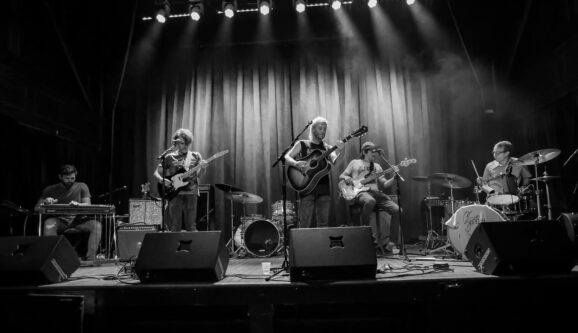
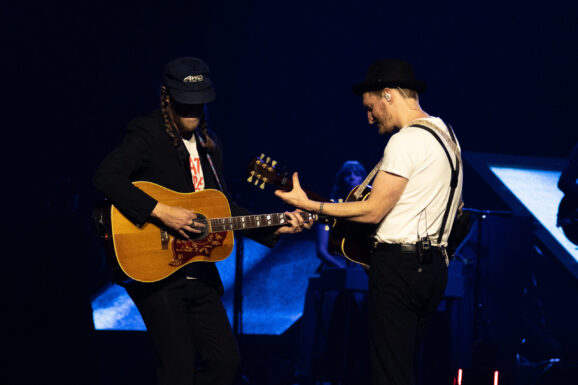
A powerful live show rarely feels rushed. Artists understand that pacing determines impact. Energy must rise and fall, not spike endlessly.
Common elements of effective live structure include:
- intentional setlist sequencing
- variation in tempo and intensity
- pauses that allow reflection
- climactic moments placed late, not early
Audiences respond because rhythm creates meaning, not just movement.
Anticipation as a Cultural Skill
Music trains listeners to wait. A delayed chorus, a long instrumental build, or an extended jam teaches patience. The reward feels stronger because it is earned.
Over time, fans become comfortable with:
- delayed payoff
- subtle progression
- emotional build rather than instant gratification
This mindset shapes how they engage with other forms of culture.
Control, Chaos, and the Live Moment
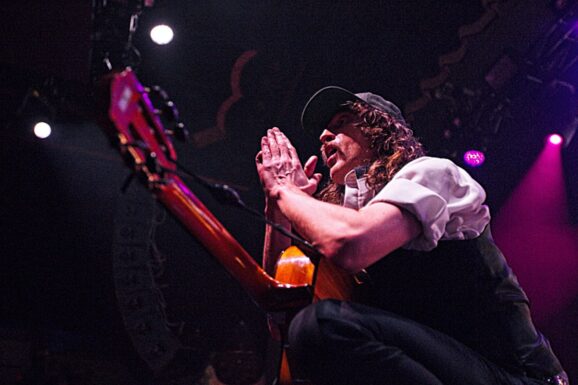
Live music exists in a space between structure and unpredictability. No performance is identical, yet the framework holds. This balance keeps attention focused without overwhelming it.
Experienced listeners can sense:
- when momentum is building
- when space is needed
- when intensity is being saved
This awareness reflects a deep understanding of rhythm as an organizing principle.
From Concert Spaces to Digital Environments
As cultural consumption increasingly moves between physical and digital spaces, music fans carry these expectations with them. Experiences that feel erratic or overly aggressive often clash with what listeners value.
Within broader digital ecosystems, some users may encounter platforms like Spin Dog, typically assessing them through the same lens applied to music — considering flow, limits, and whether engagement feels intentional rather than excessive.
The comparison is about structure, not promotion.
Why Timing Enhances Enjoyment
Music fans value autonomy. They choose when to listen, how long to stay, and when to step away. Experiences that respect timing tend to feel more immersive and less fatiguing.
Enjoyment increases when users can:
- enter and exit freely
- manage intensity
- avoid forced engagement
This principle applies across cultural formats.
Expert Tip
Expert tip: Experiences feel most immersive when rhythm guides engagement — clear progression, moments of rest, and boundaries prevent fatigue and deepen emotional impact.
Comparing Rhythmic and Non-Rhythmic Experiences
| Experience Type | Pacing | Audience Response |
| Chaotic content feeds | Irregular | Short attention |
| Curated albums | Intentional | Emotional connection |
| Poorly paced live shows | Unbalanced | Fatigue |
| Rhythm-driven formats | Structured | Sustained engagement |
Responsible Engagement as Cultural Maturity
Seasoned music fans know when to step back. Overstimulation dulls impact. Silence and space restore meaning.
This awareness translates into responsible engagement across experiences. Balance is not about restriction, but about preserving attention and enjoyment over time.
Why Rhythm Remains Central
Trends change, platforms evolve, but rhythm endures. Music continues to teach patience, timing, and restraint. Fans who internalize these lessons rarely chase noise — they wait for resonance.
Culture, like music, unfolds best when given time.
FAQ
Why is rhythm so important to music fans?
Because rhythm shapes emotional arcs and prevents sensory overload.
Is anticipation more powerful than instant payoff?
Often yes. Delayed release increases emotional impact and memorability.
How does live music influence expectations elsewhere?
It trains audiences to value pacing, presence, and intentional structure.
Can digital experiences feel musical?
Yes. When timing and flow are respected, engagement feels more natural and immersive.