Music culture has always been about more than sound. It is about timing, restraint, and emotional build-up. From the way an album unfolds track by track to the pacing of a live set, meaningful musical experiences are carefully structured rather than chaotic.
This sensitivity to rhythm and flow shapes how music fans engage not only with concerts and records, but with cultural and digital experiences more broadly.
Structure as the Foundation of Memorable Music
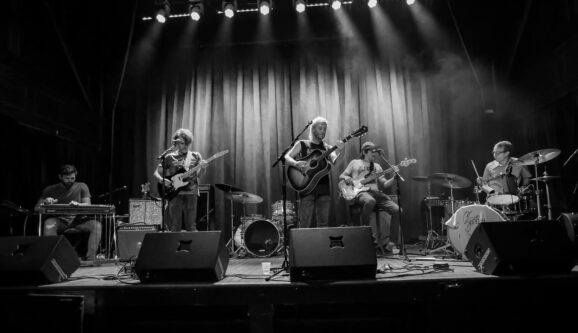
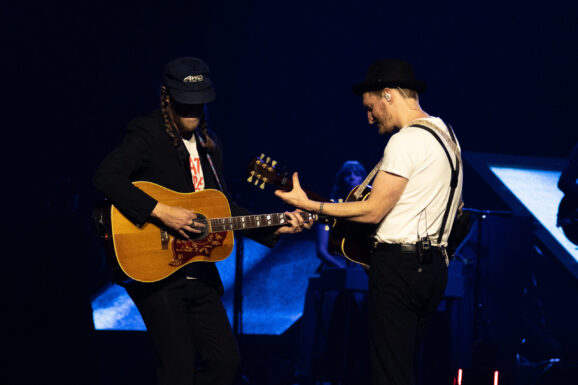
Great live shows rarely rely on randomness. Artists think deeply about how energy moves through a room. A slow opener invites attention. Mid-set peaks sustain engagement. Closing tracks deliver resolution.
Music fans learn to appreciate:
- gradual progression rather than instant payoff
- contrast between intensity and calm
- intentional pauses
- emotional arcs that unfold over time
These principles are central to why certain performances linger in memory long after the final note.
Anticipation and Emotional Payoff
Anticipation is one of music’s most powerful tools. A delayed chorus or extended instrumental section builds tension that makes release more satisfying. Fans understand that constant stimulation dulls impact.
This mindset encourages patience. Rather than demanding immediate reward, experienced listeners trust the process. That trust carries over into how they evaluate other experiences that depend on pacing and control.
Live Energy and Controlled Chaos
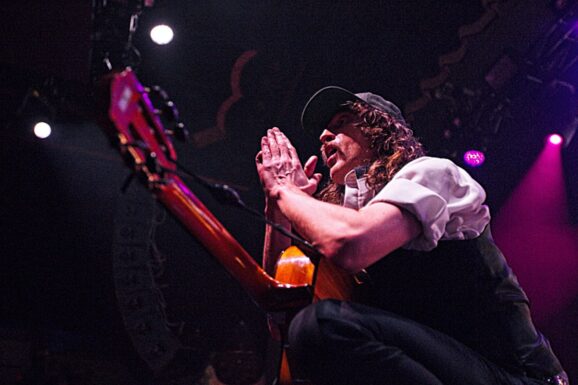
Live music thrives on a balance between structure and unpredictability. No two shows are identical, yet the framework remains intact. This controlled chaos keeps audiences engaged without overwhelming them.
Fans become skilled at reading flow:
- when a set is building momentum
- when it needs space
- when energy is being conserved for later moments
This awareness reflects a deeper understanding of rhythm as a guiding force.
From Music Venues to Digital Spaces
As cultural consumption increasingly blends live and digital environments, music fans bring these expectations with them. They gravitate toward experiences that respect timing, limits, and intentional design.
Within broader digital entertainment landscapes, some listeners may encounter platforms such as Casino BetPRIMEIRO, often approaching them with the same critical eye they apply to music — assessing structure, pacing, and whether engagement feels deliberate rather than overwhelming.
Real-Time Interaction and the Appeal of “Live”
The appeal of live performance lies in immediacy. Knowing that something is happening in real time changes perception. Attention sharpens. Engagement deepens.
This explains why real-time formats resonate beyond music. Some users, when exploring interactive digital environments, notice similar dynamics in live-oriented formats like BetPRIMEIRO live casino, where timing and presence shape the experience more than static interaction.
The common thread is not risk, but awareness.
Why Control Enhances Enjoyment
Music fans value autonomy. They choose when to listen, how loud, and for how long. This sense of control is essential to enjoyment.
Experiences that allow users to:
- enter and exit freely
- manage intensity
- avoid forced engagement
tend to feel more respectful and sustainable.
Expert Tip
Expert tip: The most engaging experiences mirror music’s rhythm — offering progression, moments of rest, and clear boundaries that let audiences stay present without fatigue.
Comparing Musical and Digital Engagement Styles
| Experience Type | Pacing | Audience Response |
| Random content feeds | Erratic | Short attention |
| Curated albums | Intentional | Emotional connection |
| Poorly paced live shows | Unbalanced | Fatigue |
| Structured live formats | Rhythmic | Sustained engagement |
Responsible Engagement as Cultural Maturity
Just as seasoned music fans know when to step back from overstimulation, cultural maturity includes recognizing personal limits. Responsible engagement is about balance, not restriction.
Pauses, boundaries, and reflection are as important as intensity. Music teaches this naturally.
Why This Perspective Endures
Music has trained generations to value timing over immediacy and structure over excess. These instincts remain relevant as culture continues to evolve across platforms and formats.
Fans who understand rhythm rarely chase noise. They wait for meaning.
FAQ
Why do music fans value pacing so strongly?
Because pacing shapes emotional impact and prevents overstimulation.
Is anticipation really more powerful than instant payoff?
Often yes. Delayed release increases emotional resonance.
How does live music influence digital expectations?
It trains audiences to value real-time presence and intentional structure.
Can digital experiences feel musical in nature?
Yes. When rhythm, timing, and control are respected, engagement feels more natural.