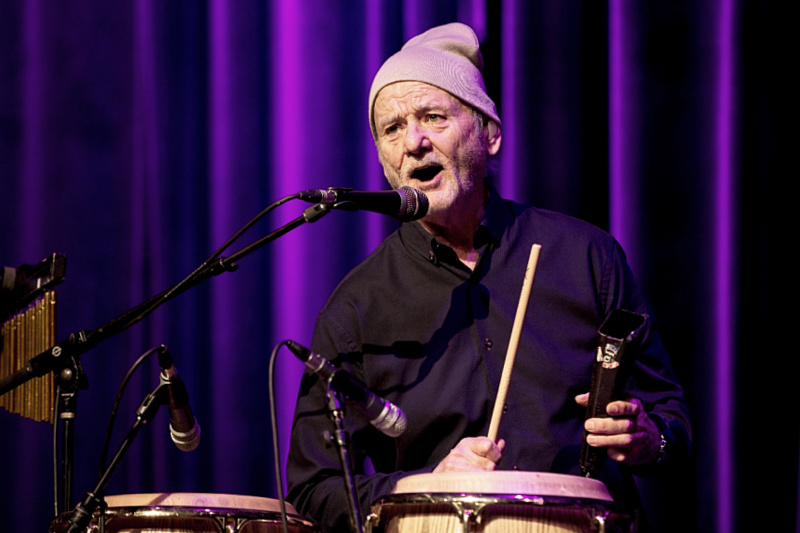
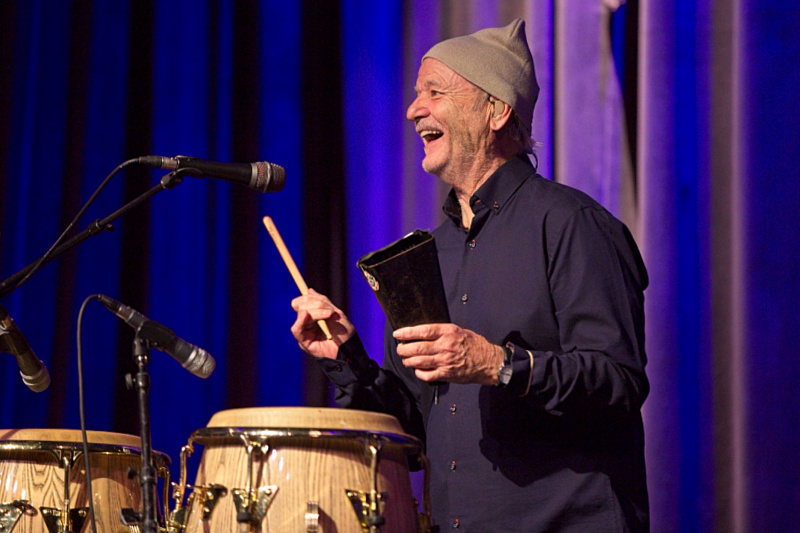
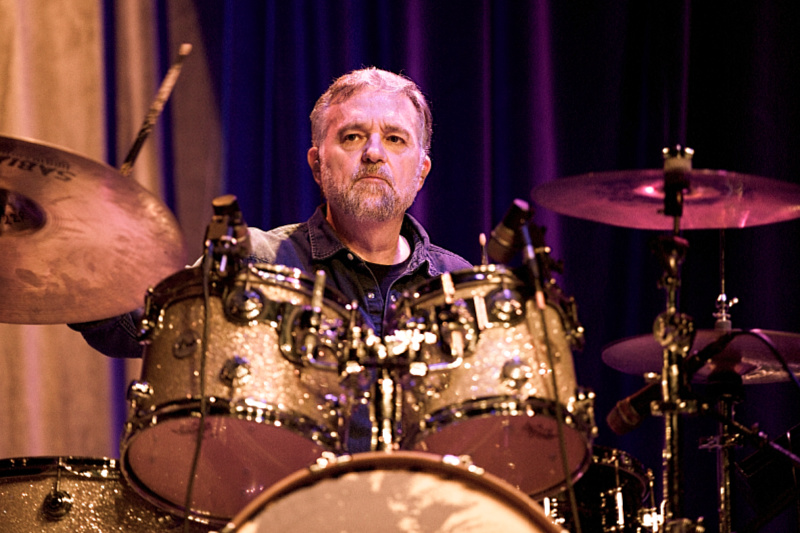
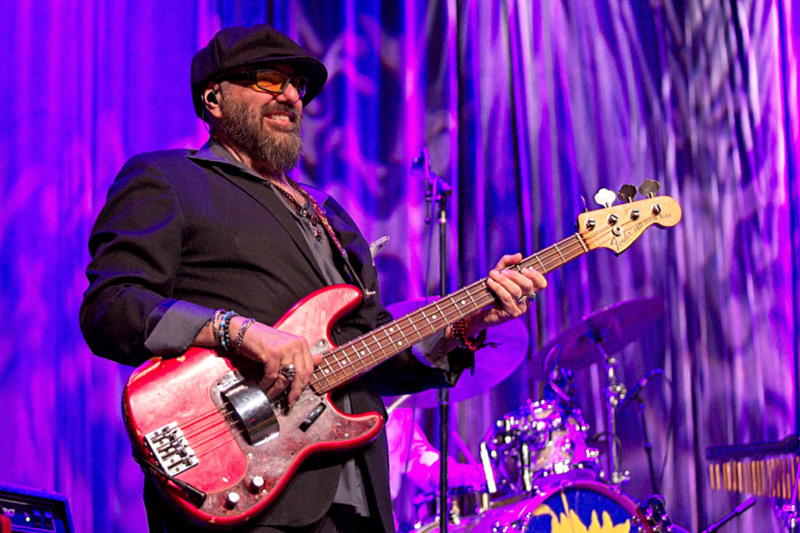
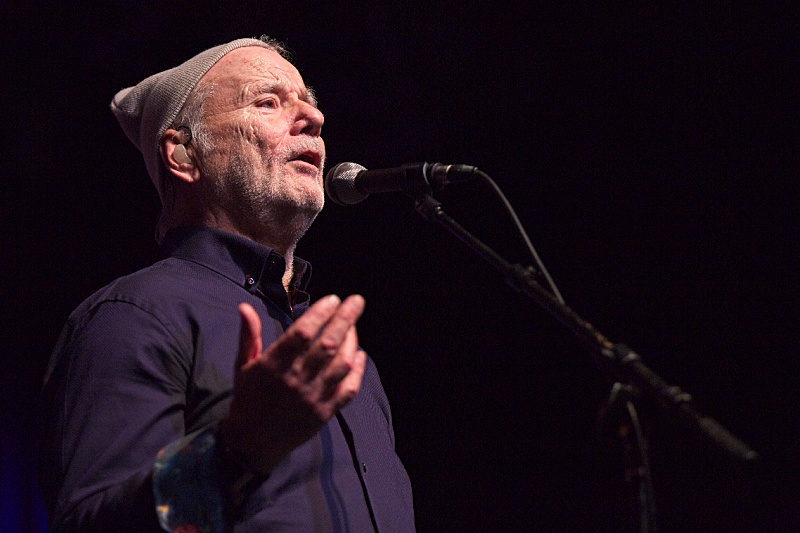
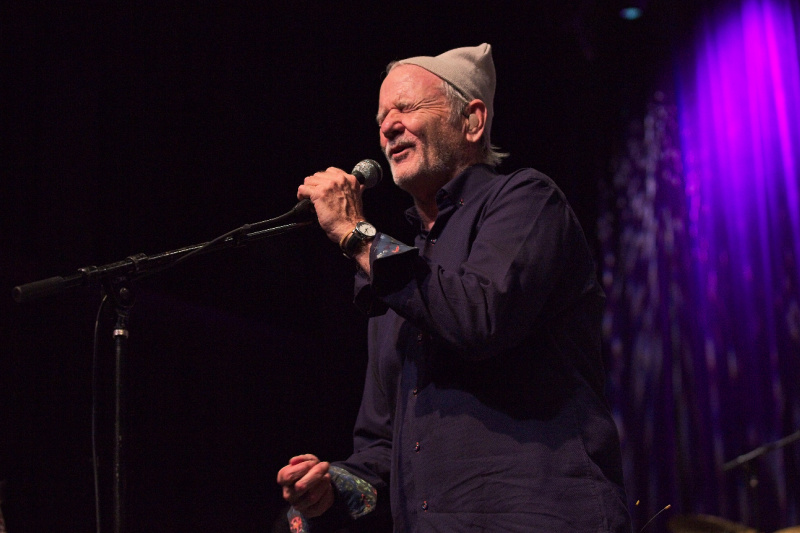
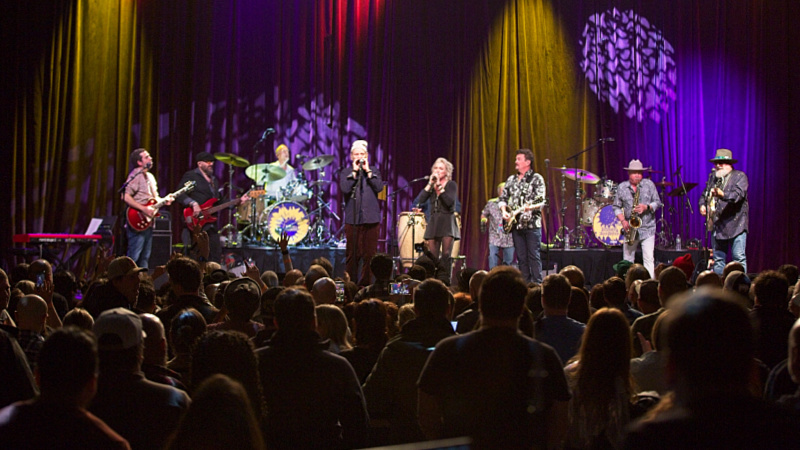
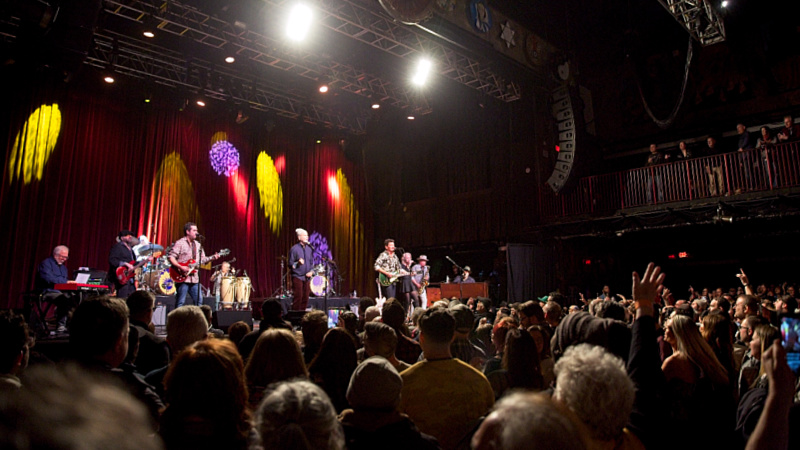
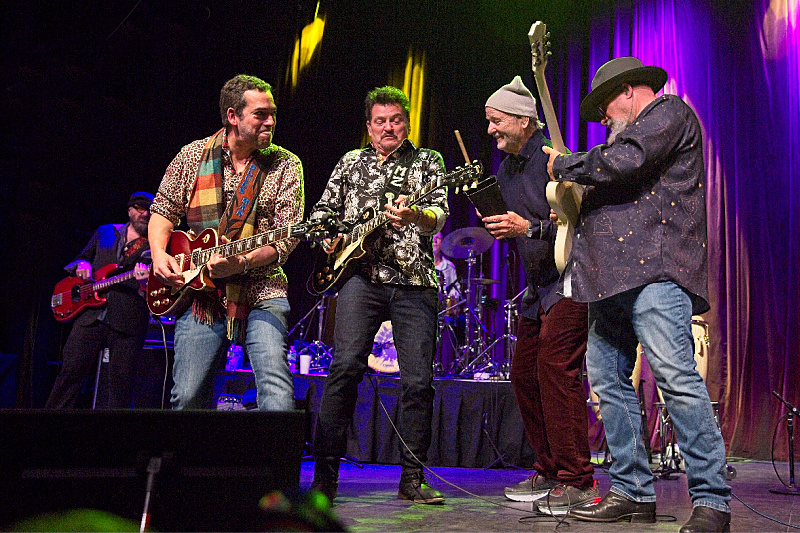
When the lights dimmed at the House of Blues in Boston on January 19th, the air was thick with a specific kind of anticipation, the kind that only follows a cultural icon like Bill Murray. The 75-year-old living legend didn’t burst onto the stage with a monologue or a “Ghostbusters” catchphrase; instead, he slipped quietly behind a set of congas, blending into the shadows while his band, the Blood Brothers, ignited the room. For the first two songs, “Tell the Truth” and “In My Soul”, Murray remained a rhythmic passenger, content to let the seasoned blues-rock powerhouse of Mike Zito and Albert Castiglia lead the charge with searing guitar solos and high-octane originals.
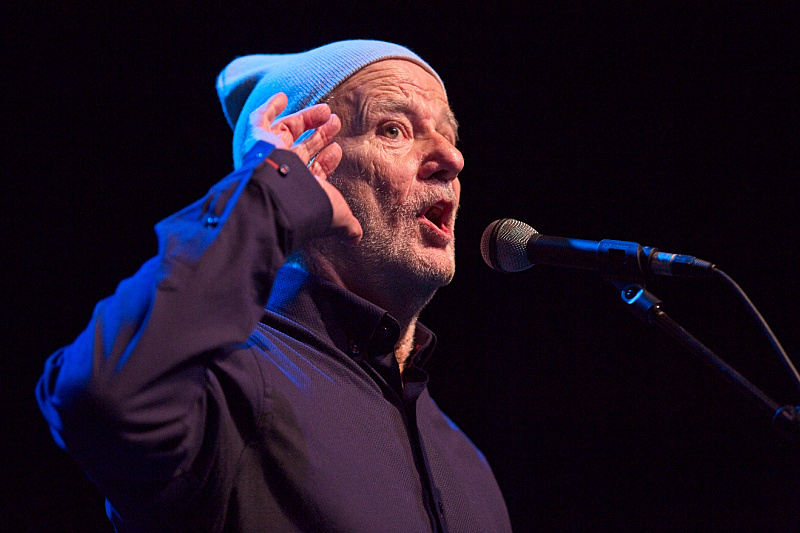
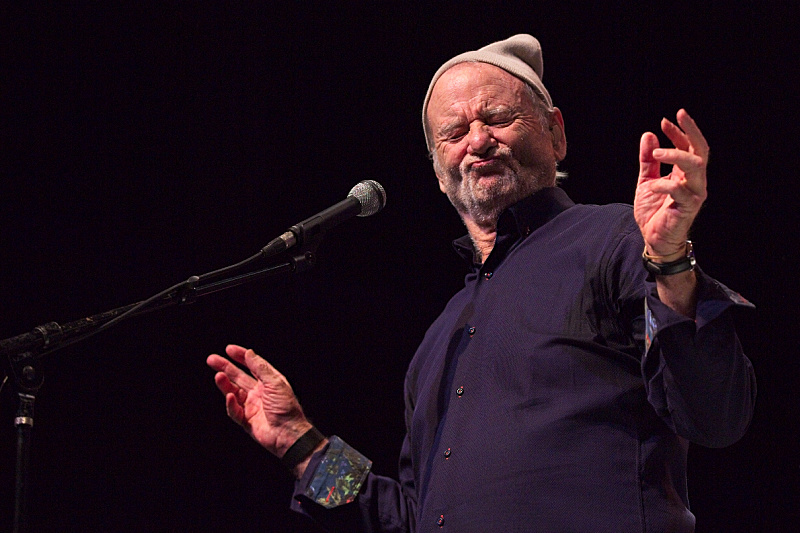
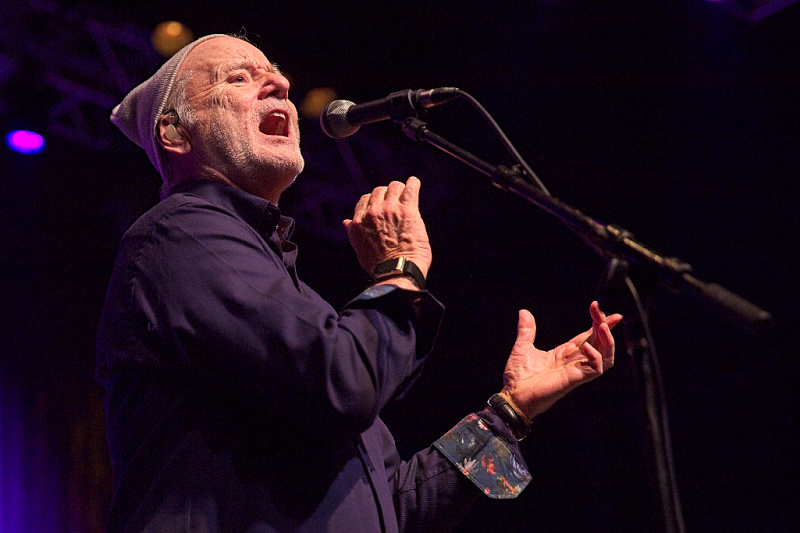
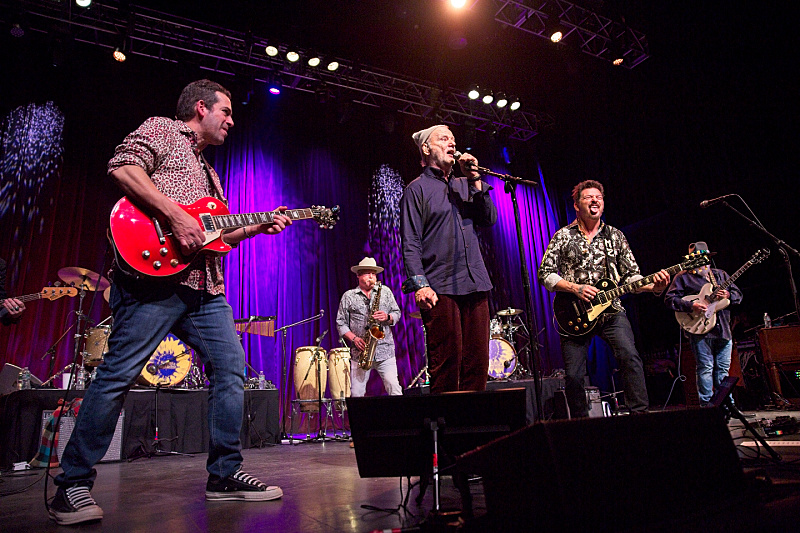
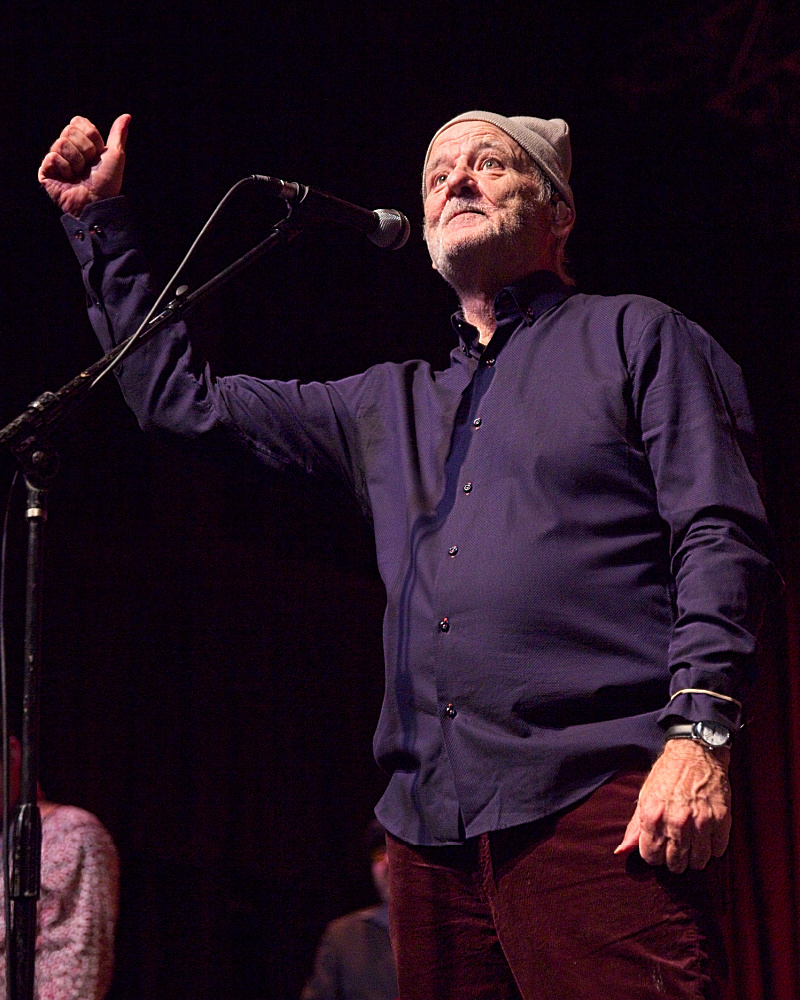
As the set progressed, Murray eventually migrated from the percussion rack to the center mic, and the atmosphere shifted from a standard blues clinic to a surreal, high-energy variety show. Watching the star of Groundhog Day emotionally belt out Warren Zevon’s “Werewolves of London” felt less like a professional vocal performance and more like the world’s most charismatic uncle hijacking a wedding band. While his pitch occasionally strayed, his commitment was absolute. He sang with a raw, gravelly earnestness that transformed covers like The Kinks’ “Tired of Waiting” into something unexpectedly poignant, his weathered voice carrying the weight of decades of life experience.
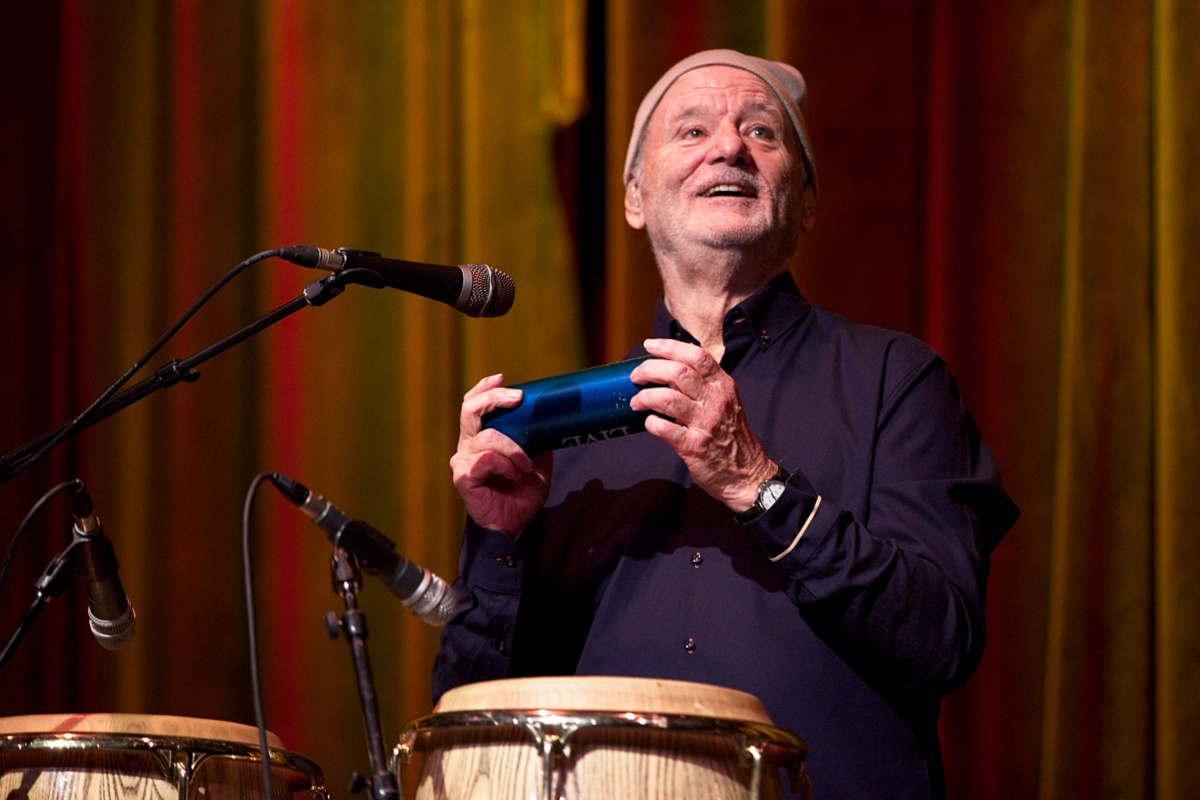
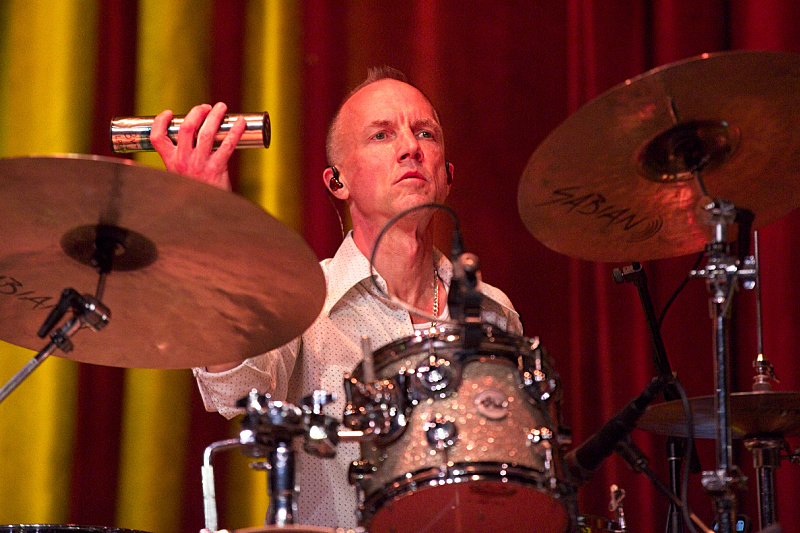
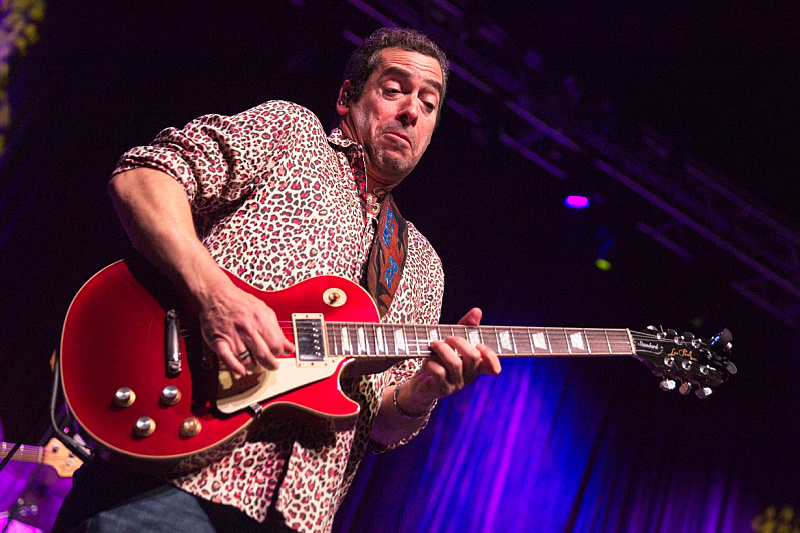
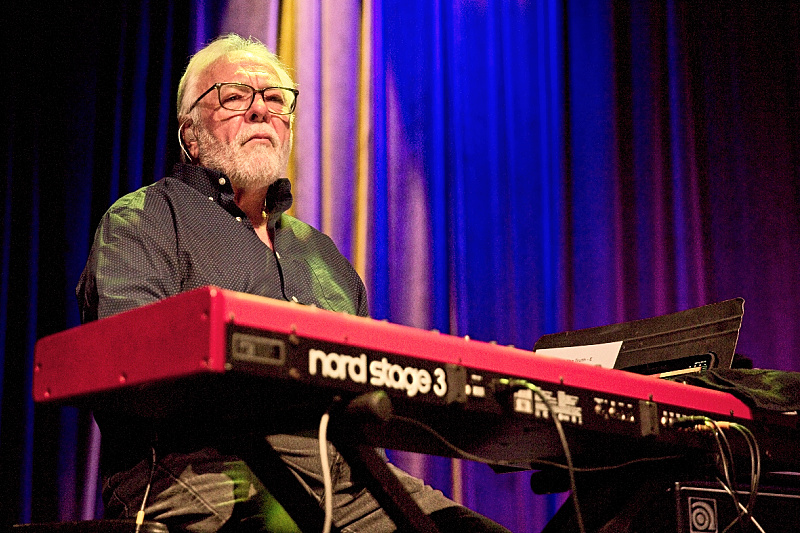
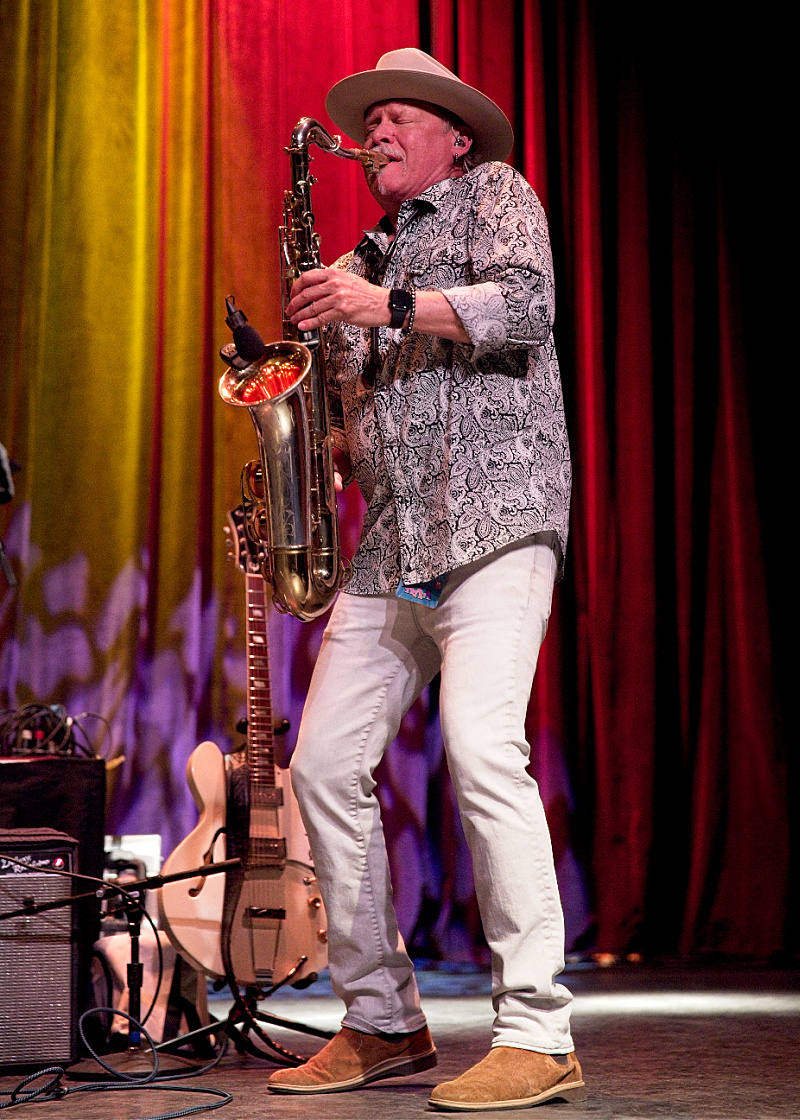
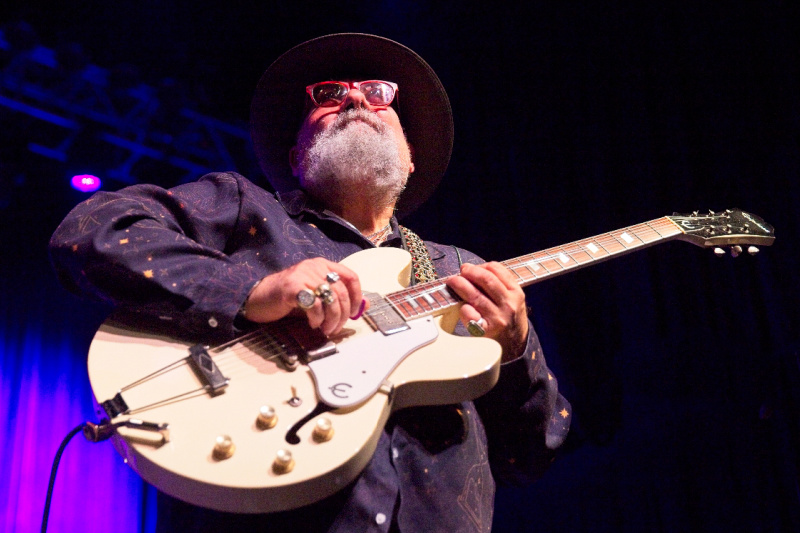
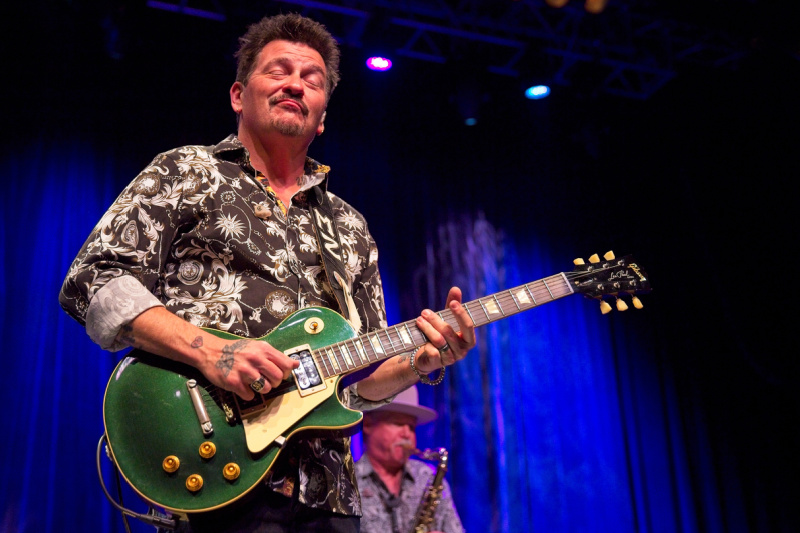
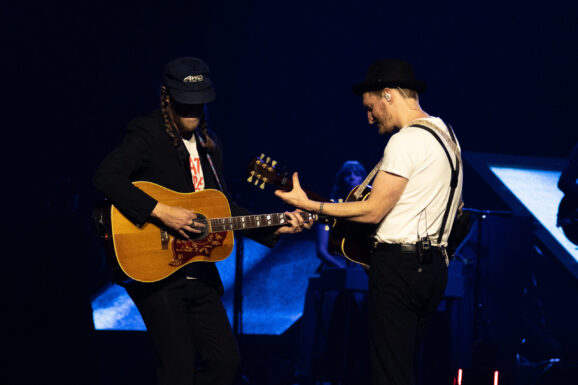
The musical backbone of the evening was undeniably the “Blood Brothers” themselves. Mike Zito and Albert Castiglia, both decorated Blues Music Award winners, provided a masterclass in fretwork that kept the show grounded in legitimate artistry. Their chemistry was electric, often engaging in friendly guitar duels that felt like a high-speed blues conversation. Jimmy Vivino, a veteran of the Conan O’Brien house bands, rounded out the front line, adding a layer of sophisticated R&B and soul that prevented the evening from ever feeling like a mere novelty act.
One of the night’s most surprising pivots was a soul-infused, slowed-down rendition of Prince’s “Little Red Corvette.” With Murray looking on in appreciative silence, it served as a momentary breather before the comedy legend ramped up the energy again. Throughout the night, Murray’s “Nick the Lounge Singer” persona from his Saturday Night Live days felt like it was lurking just beneath the surface, but with a new layer of sincerity. He wasn’t just playing a character; he seemed to be genuinely channeling his inner rock star. During a raucous cover of Jr. Walker and the All Stars’ “Shotgun,” Murray prowled the stage with a mischievous glint in his eye, ad-libbing and interacting with the front row in a way that bridged the gap between the performer and the audience. The crowd, a mix of die-hard blues aficionados and fans dressed in Life Aquatic beanies, erupted when the band launched into the familiar opening chords of Tommy Tutone’s “867-5309/Jenny.” It was pure, unadulterated fun, proving that Murray’s greatest talent isn’t necessarily his vocal range but his ability to command a room’s joy.
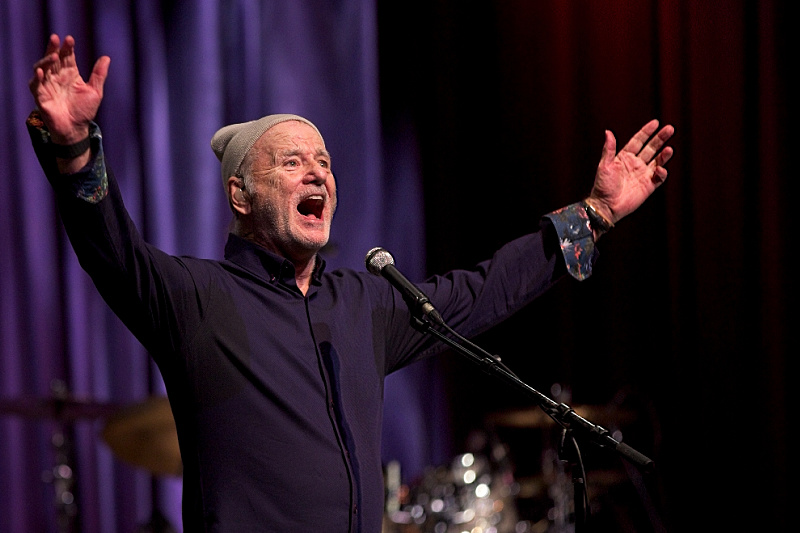
The finale was a one-two punch of rock history that brought the entire theater to its feet. Murray tackled Bob Dylan’s “Like a Rolling Stone” with a rhythmic drawl that paid homage to the original while injecting his own frantic energy. He followed it with Stephen Stills’ “Love the One You’re With,” leading a massive sing-along that turned the venue into a giant, communal celebration. At the bridge, he urged the crowd to “give it everything,” and for a moment, the distinction between the Academy Award nominee and the blues frontman vanished entirely.
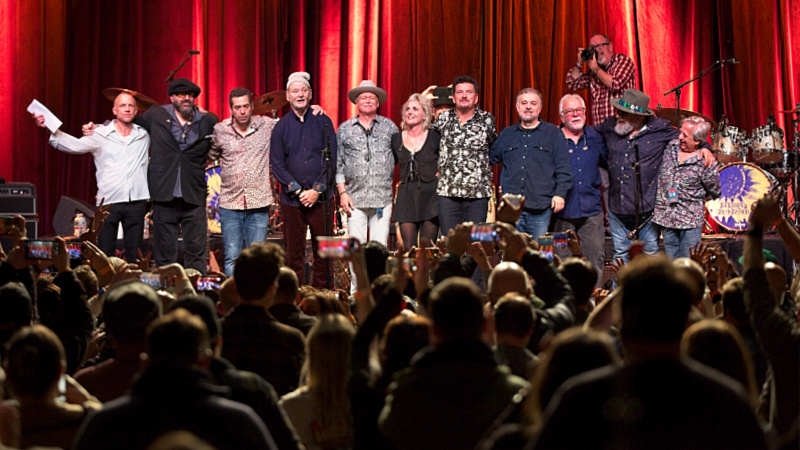
By the time the final feedback faded, it was clear that Bill Murray and His Blood Brothers weren’t trying to redefine the genre or win a Grammy. They are delivering something perhaps more valuable: a high-proof shot of pure charisma backed by world-class musicianship. It is a show built on friendship, a love for the blues, and the infectious thrill of a man who has done everything else in Hollywood and decided that, at 75, he’d rather just be in a rock band.