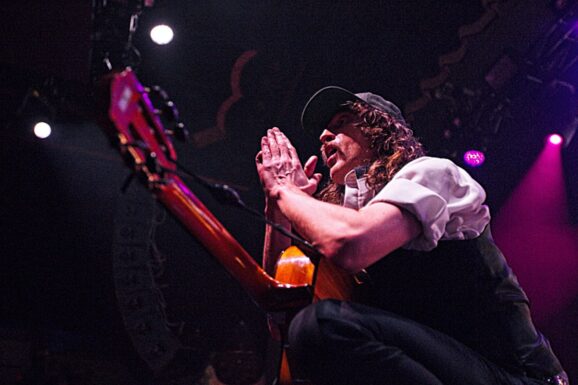
In recent years, the icy terrain of Buffalo, New York, has become a hotbed of artistic talent and a cultural cornerstone. What was only known for its harsh weather, proximity to the Canadian border, and fantastic wings has blossomed into a thriving area with promising sports teams and a Hip-hop scene that exploded into the genre and has not let go. With all this excitement happening around this unassuming city, these artists and fans needed a place to convene, perform for each other in a welcoming and exhilarating atmosphere, and that’s what Buffalo Iron Works built.
The 500-capacity venue has become a must-stop for artists touring the area and a breeding ground for Buffalo’s colorful art scene, and 2026 marks a major milestone for the space. It was 11 years ago when co-owner Josh Holtzman took over Buffalo Iron Works, and ten years since co-owner Grace Vesneske joined the team, making this year something to celebrate. Their work over the past decade and change speaks for itself. The duo has transformed an old warehouse, built in 1902, into one of the most essential venues in upstate New York, creating a vital lifeline for both major names and local favorites.
Glide had the pleasure of asking the Buffalo Iron Works team a few questions about the process of building their venue, their first ten years working together as a team, and where they see the future of Buffalo heading. You can read our full conversation below.
How has the venue evolved in its first eleven years? How does the venue look now compared to your initial vision, and how has Buffalo responded to Iron Works?
When Buffalo Iron Works first opened, the vision was to create a room that felt authentic to the city’s industrial history while offering Buffalo a professional, high-quality live-music experience. Over the years, the venue has evolved into exactly that – an intimate, great-sounding room that artists love to play and fans love to return to. We’ve continued to invest in the space, from upgrades to the sound and lighting systems to improving the guest experience overall.
But the core identity has stayed the same: a welcoming, community-driven live music venue.
Buffalo has embraced Iron Works in a huge way. The support from both music fans and artists has been incredible, and we’ve been lucky to see the venue become a regular stop for touring acts while also serving as a home base for the local music community.
What have been some of the highlights of the first eleven years of the space in terms of noteworthy bookings and turnouts?
There have been so many memorable nights. Some highlights are when artists play the room on their way up and then come back years later after blowing up nationally.
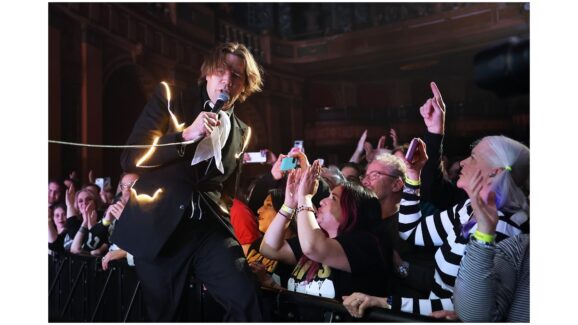
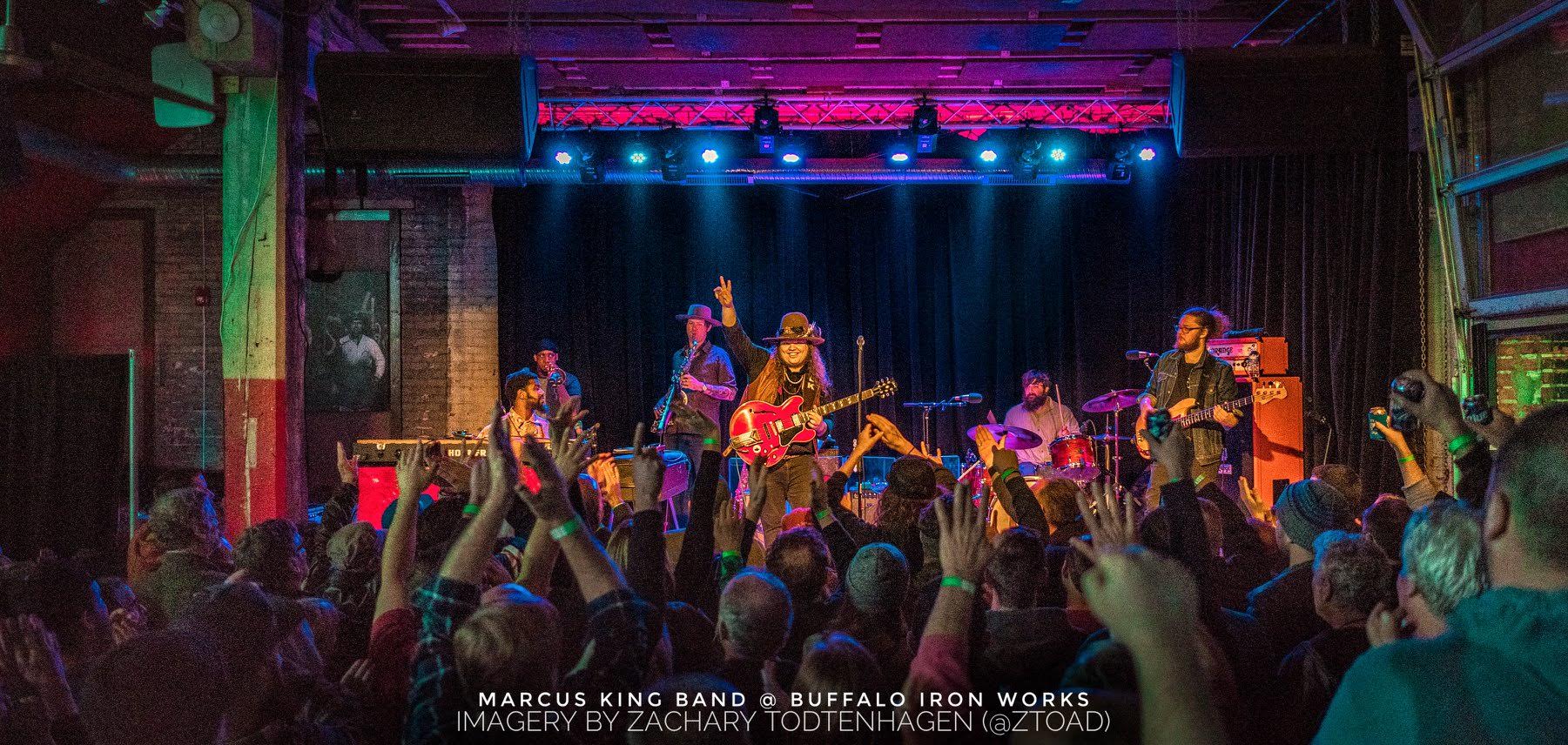
We’ve hosted an incredible range of artists across genres, from indie rock and jam bands to funk, jazz, and hip-hop. Seeing those sold-out crowds packed into the room always reminds us why the venue exists.
But honestly, some of the most special moments aren’t just big names. It’s the nights when the energy in the room is electric, and the audience and artist are feeding off each other. Those are the nights people talk about for years.
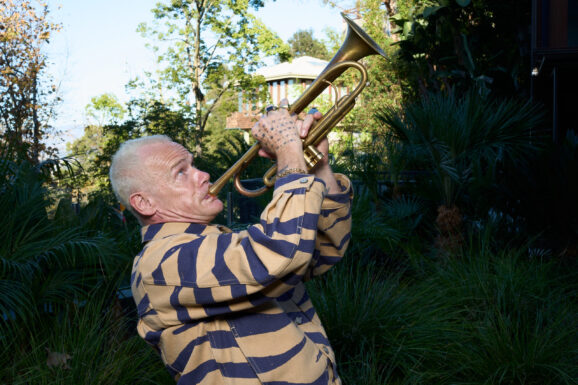
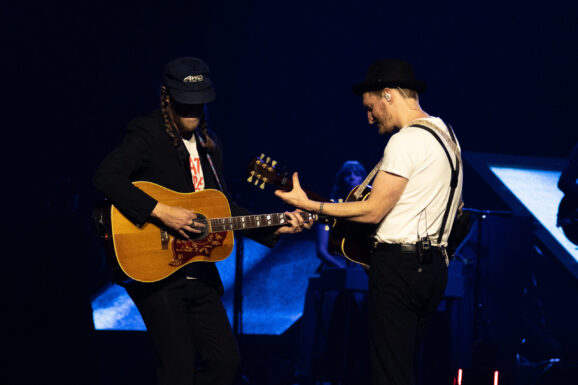
But if you’re looking for some of the bigger names, we’ve been lucky enough to have some incredible artists grace our stage over the years: Sabrina Carpenter, Billy Strings, Rusted Root, Buckethead, Billy Bob Thorton, The Misfits, Kiefer Sutherland, Lawrence, Melvin Seals, Red Clay Strays, Flatland Cavalry, The Struts, KT Tunstall and many more!
You guys quickly rose to the top as one of Buffalo’s premier live music venues. What hole did you fill in the scene? What do you credit this quick success to?
When Iron Works opened, Buffalo had great theaters and some smaller club spaces, but there was a real need for a mid-size, professionally run listening room where touring artists could connect with fans in a more intimate setting. We focused on great sound, thoughtful booking, and ensuring both artists and fans had a great experience. Artists talk to each other on the road, and when they have a good show somewhere, word travels quickly.
The success really comes down to the community. Buffalo fans are incredibly passionate about live music, and they’ve supported the venue from day one.
What has the music scene in Buffalo been like over the past 30 years? Most people outside the area probably think of Goo Goo Dolls first.
The Goo Goo Dolls are definitely one of Buffalo’s biggest success stories, but the music scene here has always been deeper than people realize.
Buffalo has long had a strong DIY and independent music culture. There have been thriving scenes across punk, indie rock, jazz, hip-hop, and jam music over the years. Because the city isn’t oversaturated with venues, artists tend to support each other, and that creates a tight-knit creative community.
In recent years, especially, Buffalo’s arts scene has been growing and gaining national attention. There’s a lot of energy here right now, and the music scene is thriving here more than ever.
When you two took over collectively ten years ago, what were some of the immediate changes you wanted to make? What are some changes you’re still working on?
Early on, one of our biggest goals was refining the booking strategy and strengthening relationships with national agents, while still keeping the venue rooted in the local music scene.
We also focused heavily on improving operations, everything from the production side to guest services, to ensure both artists and fans had a seamless experience.
From there, we started thinking more about the overall venue experience. COVID actually gave us the time to focus on projects we hadn’t been able to tackle before. During that time, we built out a full artist lounge upstairs, complete with record walls, basketball games, and cornhole… creating a comfortable space for artists to relax before and after shows. We even added a cassette wall downstairs, which has become a fun nod to music history and something people immediately notice when they walk in.
There’s always something to improve. We’re constantly looking at ways to enhance the sound, the stage production, and the overall atmosphere while maintaining the intimate character of the room. We want Iron Works to be the space where everyone is comfortable and welcome.
How did you decide to open up a live music space in Buffalo? What drew you to the city, and how would you describe the art scene there?
Buffalo has always had an incredibly passionate arts community. The city has a history of supporting independent venues, music, and creative projects, and that made it the perfect place to build something like Iron Works.
The art scene here is collaborative and grassroots in a way that you don’t see in every city. Artists, venues, and promoters all tend to work together, and that energy is a big part of why the venue has been able to grow.
Are there any local musicians who would consider Buffalo Iron Works their “home” venue? What is it like balancing national touring acts with the up-and-coming artists in your community?
There are definitely a number of local artists who feel at home on the Iron Works stage. Watching those artists grow over the years and bring bigger and bigger crowds is one of the most rewarding parts of running the venue. Balancing touring acts with local artists is important to us. National tours bring new audiences into the room, while local musicians keep the venue connected to the community. Ideally, those two worlds support each other.
Some of the best feedback we’ve received has come directly from musicians who can feel the energy and care that’s been put into this unique room. At the end of the day, that’s really all we can ask for.
What was it like converting this old warehouse, built in 1902, into a state-of-the-art venue? What sort of benefits come with working with such an old building?
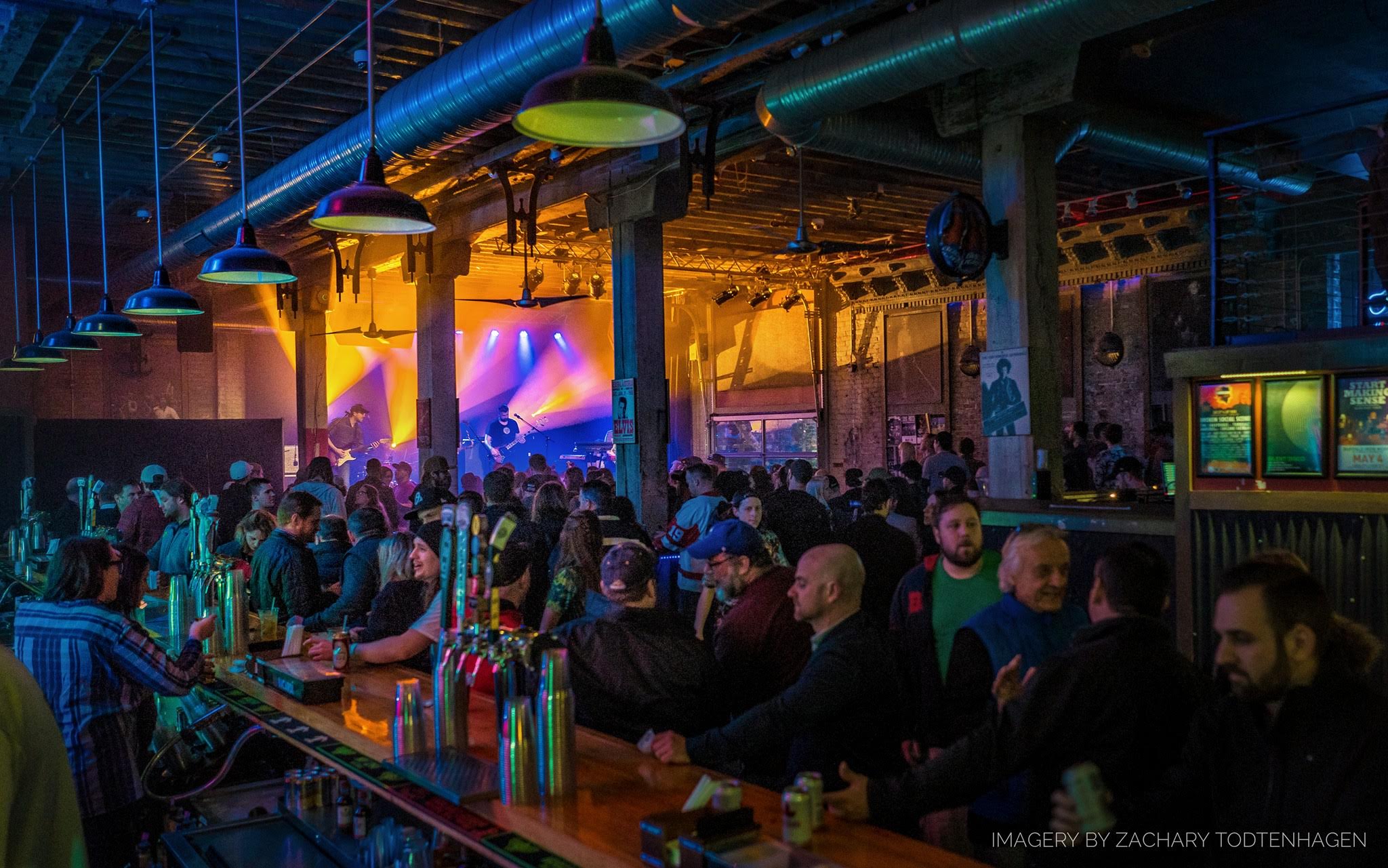
Transforming a 1902 warehouse into a modern music venue definitely came with challenges, but it also gave the venue its character. The exposed brick, steel beams, and industrial architecture create a natural atmosphere that feels authentic to Buffalo’s history. At the same time, we’ve been able to build modern sound and lighting infrastructure inside the space.
It’s a blend of old and new that really defines the room. It is not some shell, cookie-cutter venue; it has more roots and uniqueness than most of the spaces you find.
Are there any artifacts from the building’s previous use on display? What are some of the first things people notice when they enter Buffalo Iron Works?
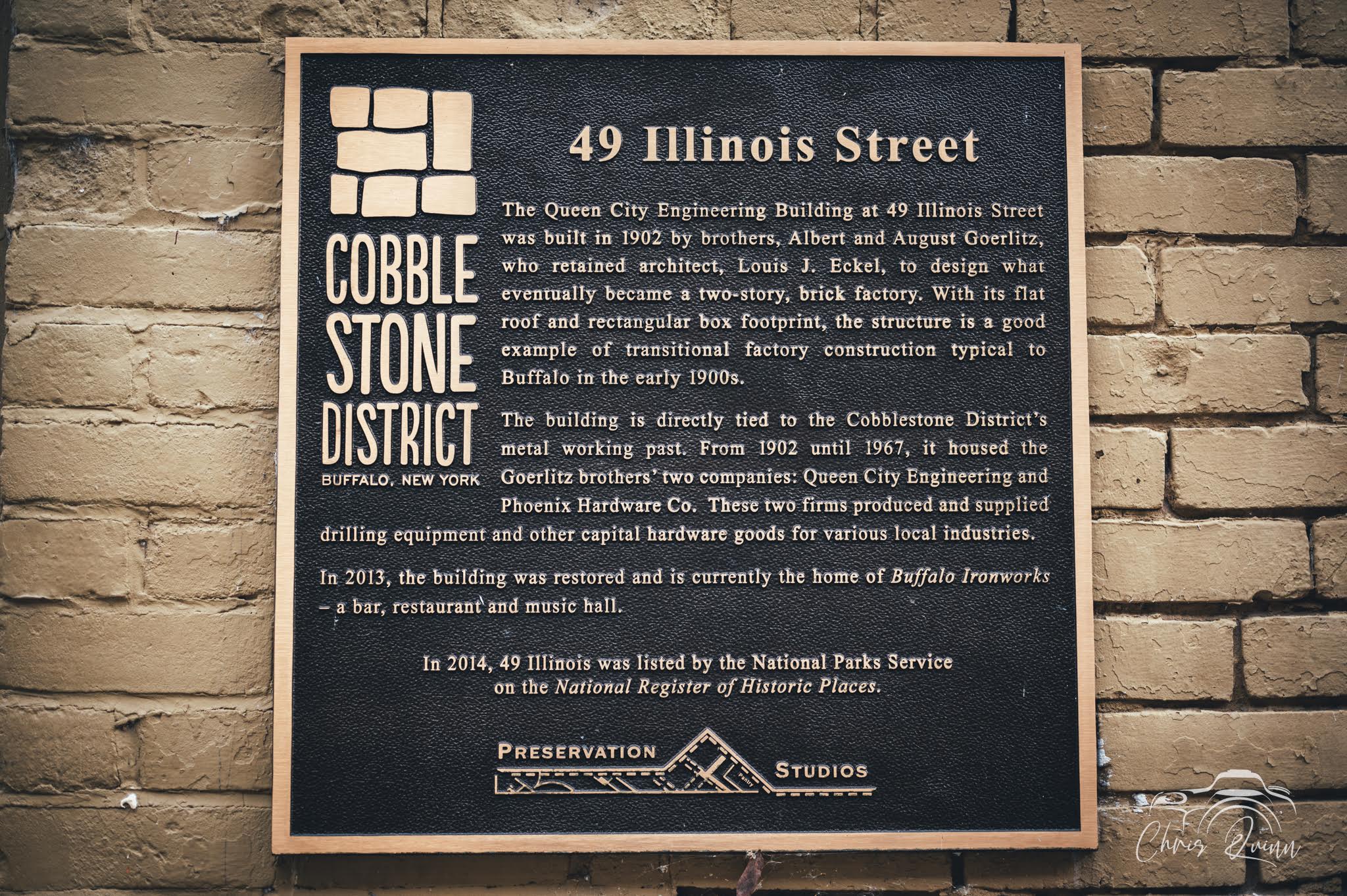
One of the first things people notice is the industrial feel of the space, the exposed brick walls, and the open layout. Those elements reflect the building’s history and give the venue a unique identity. We’ve tried to preserve as much of that original character as possible while building a modern live music environment around it. If you look up, you can see an old pulley system from 1902 that once supplied power to the old work stations that operated here.
Are there any artists on your bucket list that you hope to host at Buffalo Iron Works someday?
There are always artists we’d love to see on the stage. The exciting part about running a venue like this is that you never know when one of those bucket-list bookings might happen. A lot of our favorite moments occur when artists we admire choose to play a smaller, more intimate room, and Iron Works becomes the place for that night.
Based on the photos I’ve seen, Buffalo Iron Works seems like an intimate setting. Why do you believe seeing an artist in a venue like this is important?
Smaller venues create a connection that’s hard to replicate in larger rooms. The audience is right there with the artist, and that energy goes both ways. You can feel the crowd react to every song, and artists often feed off that. Some of the best shows happen in rooms where there’s no distance between the stage and the fans.
People outside of Buffalo probably think of wings and the Bills as well. Do you guys play Bills games, and do you serve wings? If so, how do you best serve them?
Buffalo pride definitely runs through the venue. During football season, we always keep an eye on the Bills games, and the energy in the room reflects how much the city loves its team.
And of course wings are part of the experience. When you’re hosting people from out of town, you’ve got to make sure they get a proper Buffalo introduction. While we no longer serve wings consistently, guests can find them next door on nights when the Sabres are in town. With the arena right next door, the Buffalo Sabres help fill our Buffalo sports quota—bringing fans down to keep the energy going before and after games.
What does Buffalo Iron Works have planned for 2026? Are you guys planning to celebrate your anniversary with the community?
We’re incredibly excited about what the future holds. Our goal has always been simple: keep bringing great artists through Buffalo while continuing to support the local music community that helped build this place from the ground up. That community, fans, musicians, crew, and staff, is really the heart of everything we do. Anniversaries are a great moment to pause and recognize the people who made it all possible. Over the years, this room has been filled with so many unforgettable nights, and none of that happens without the artists who trust us with their shows and the fans who show up and make the energy what it is.
As we look ahead, we’re planning some special shows and celebrations to mark the milestone and give something back to the community that’s supported us for the past decade. More than anything, we just feel grateful to be still doing this and to keep building something meaningful together.
Here’s to the next chapter and hopefully 13 more.