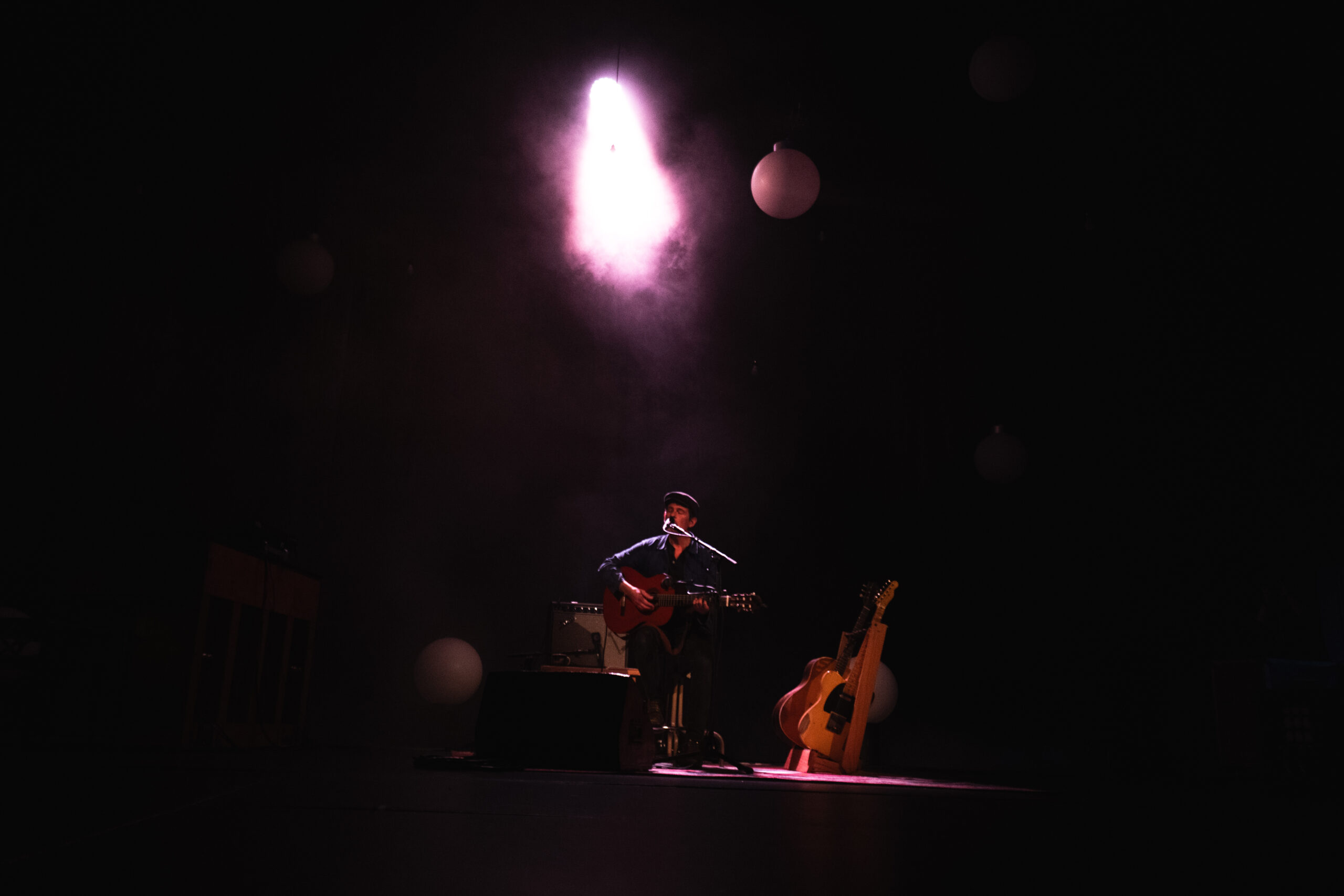
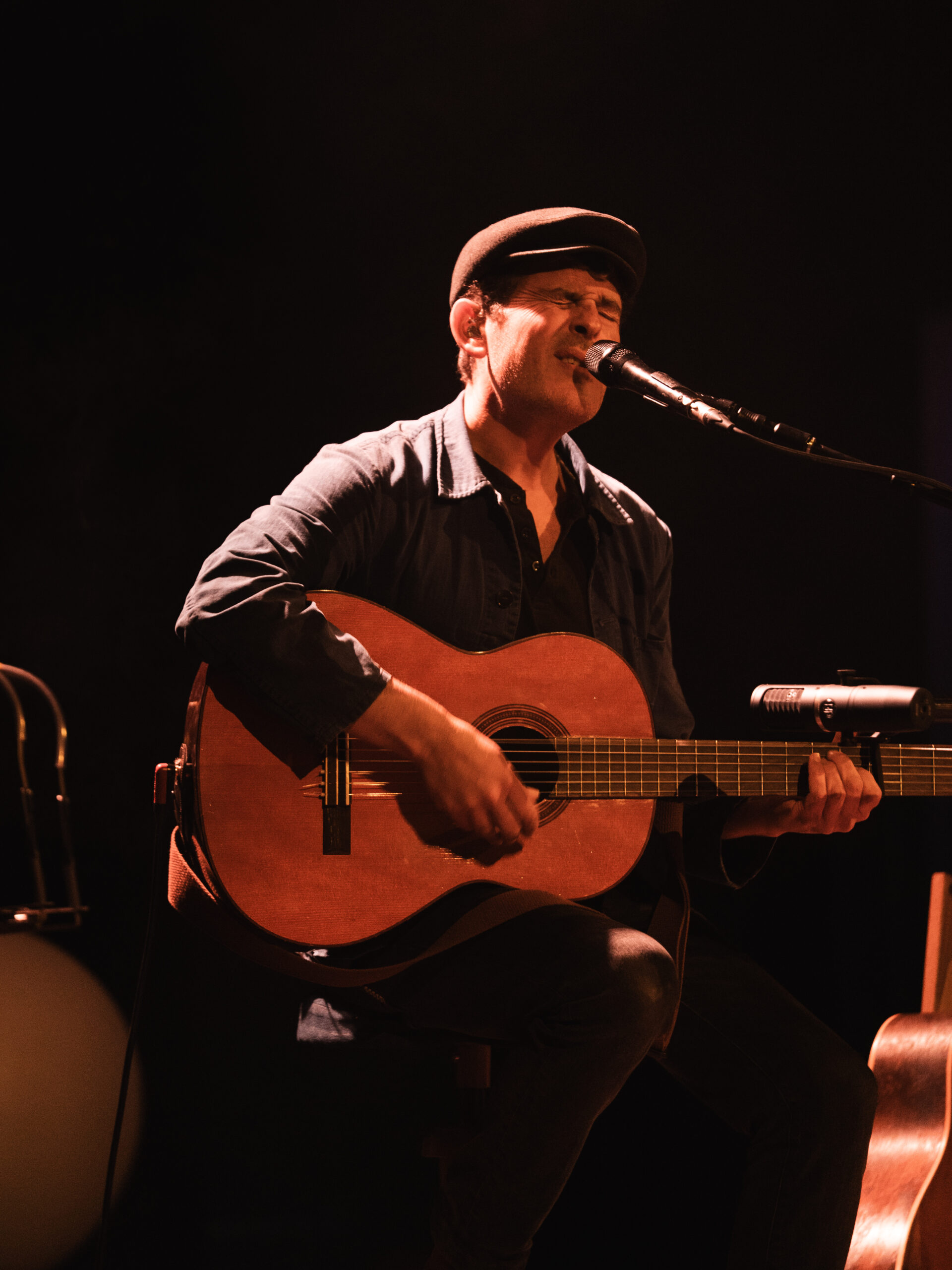
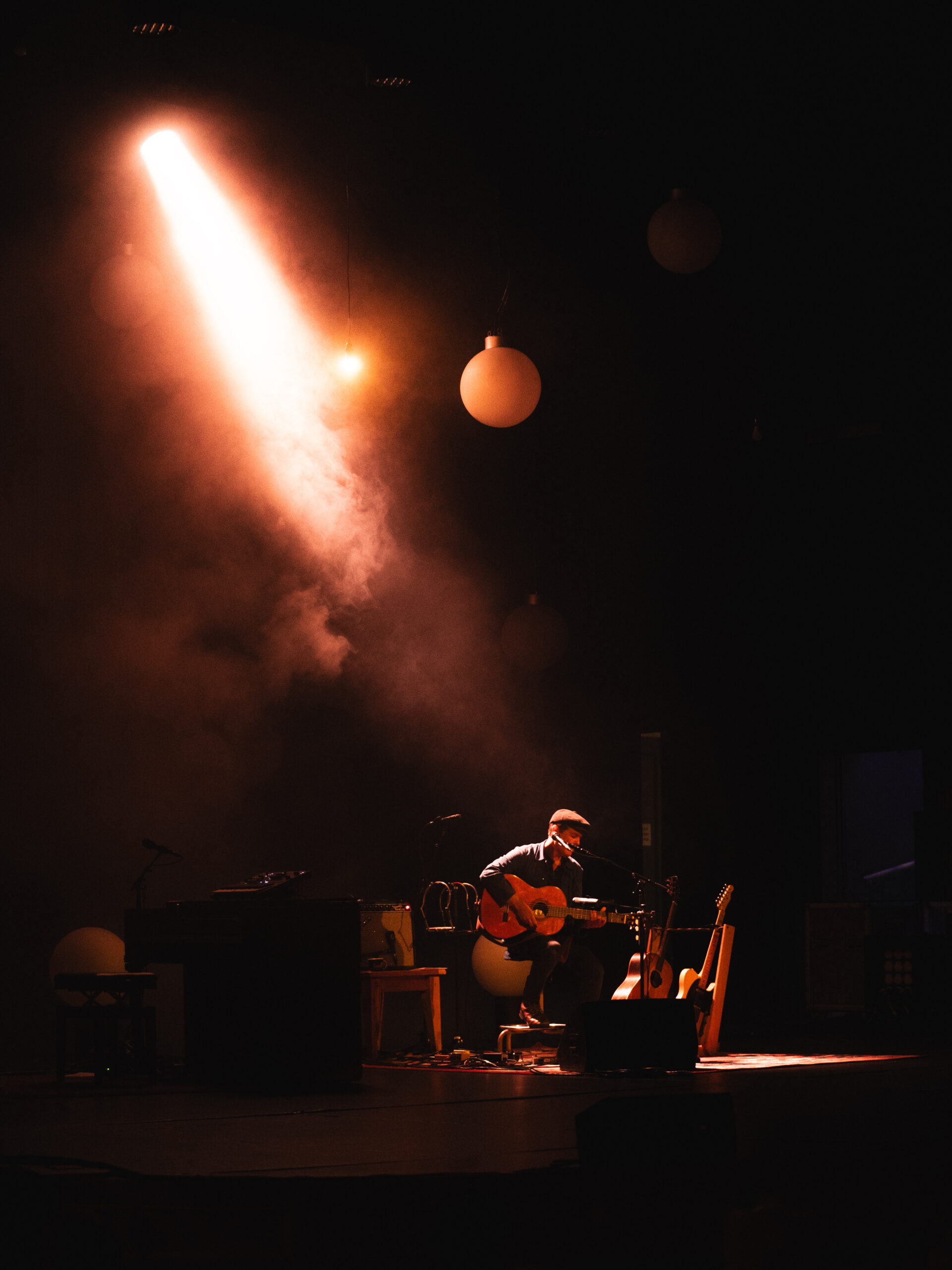
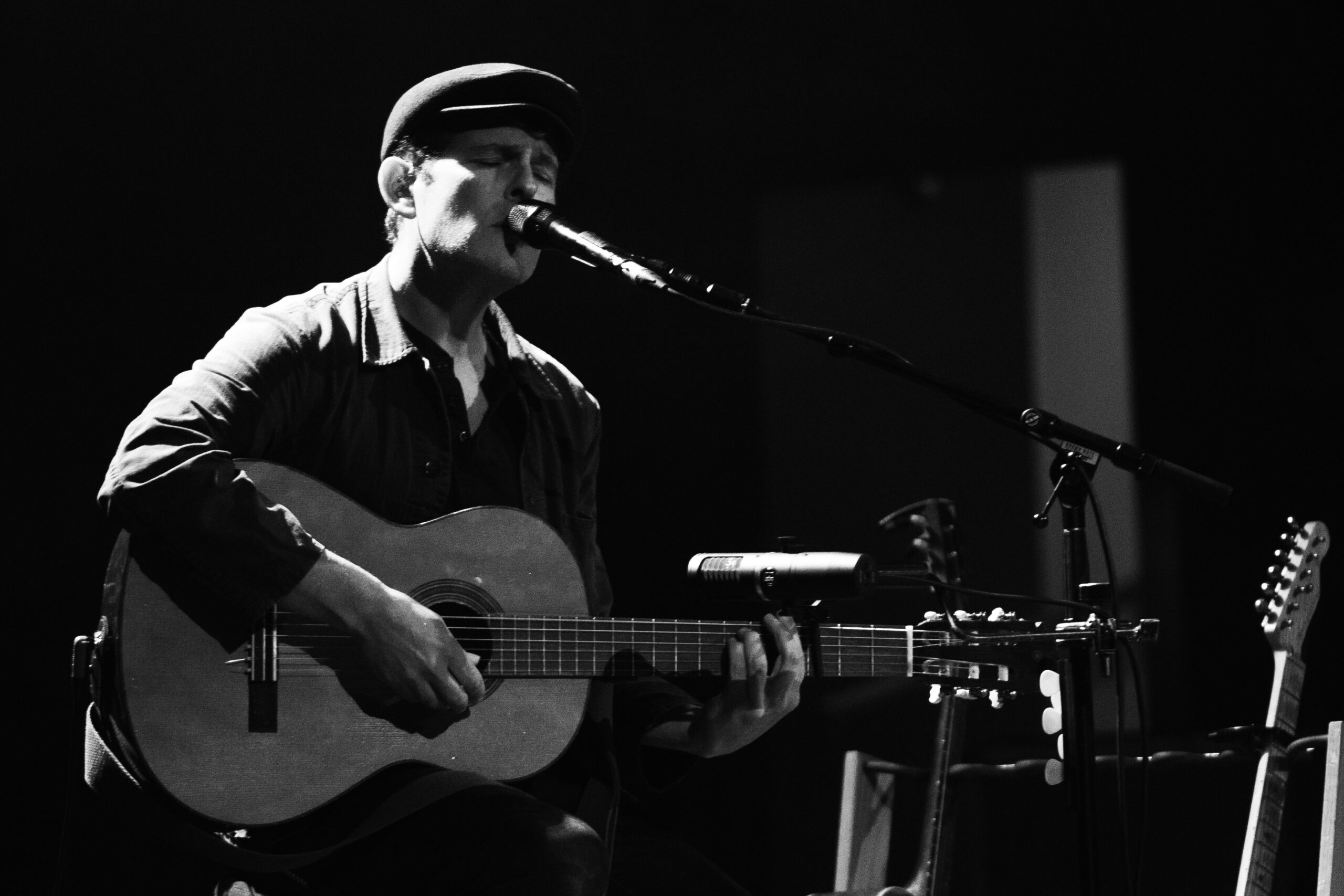
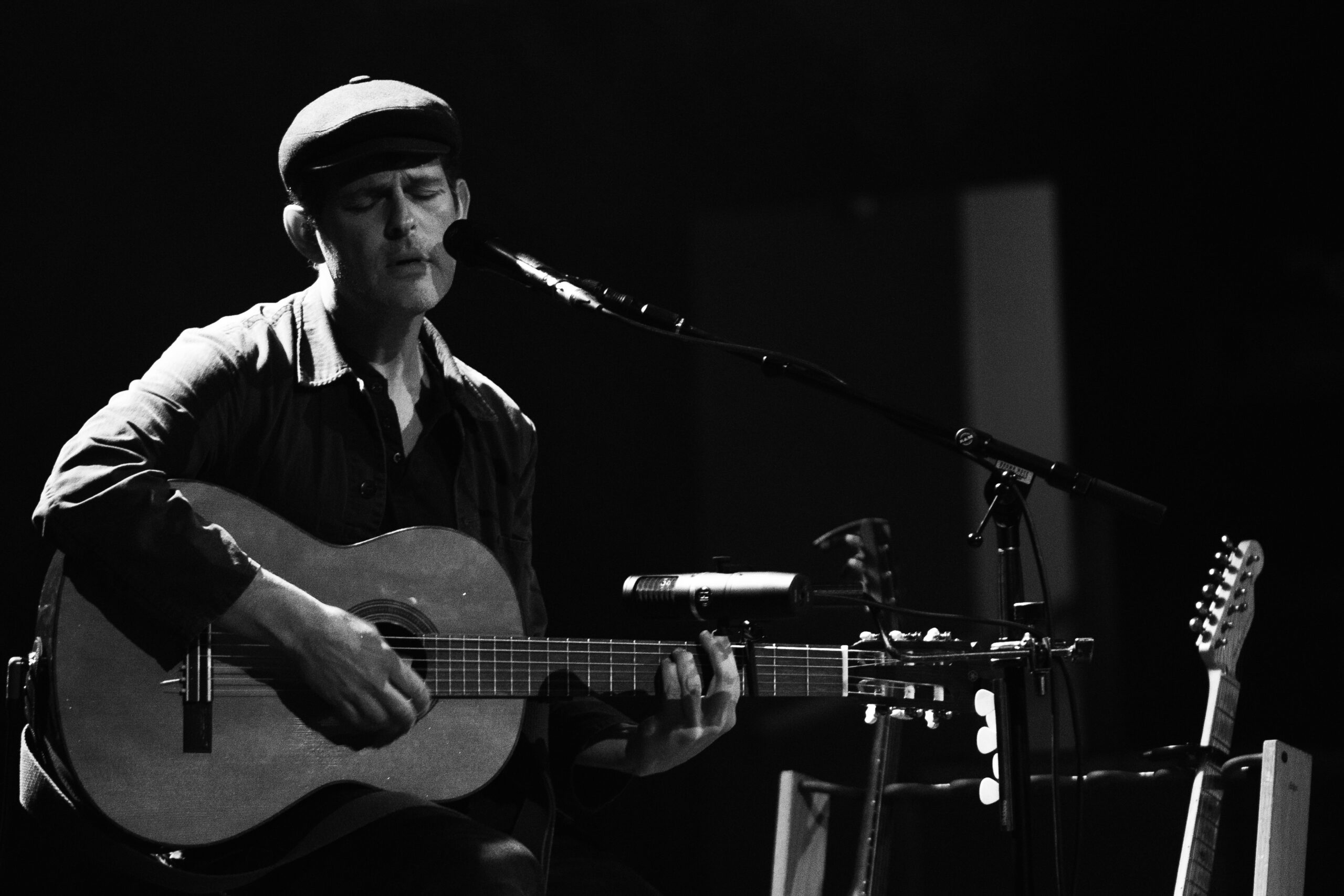
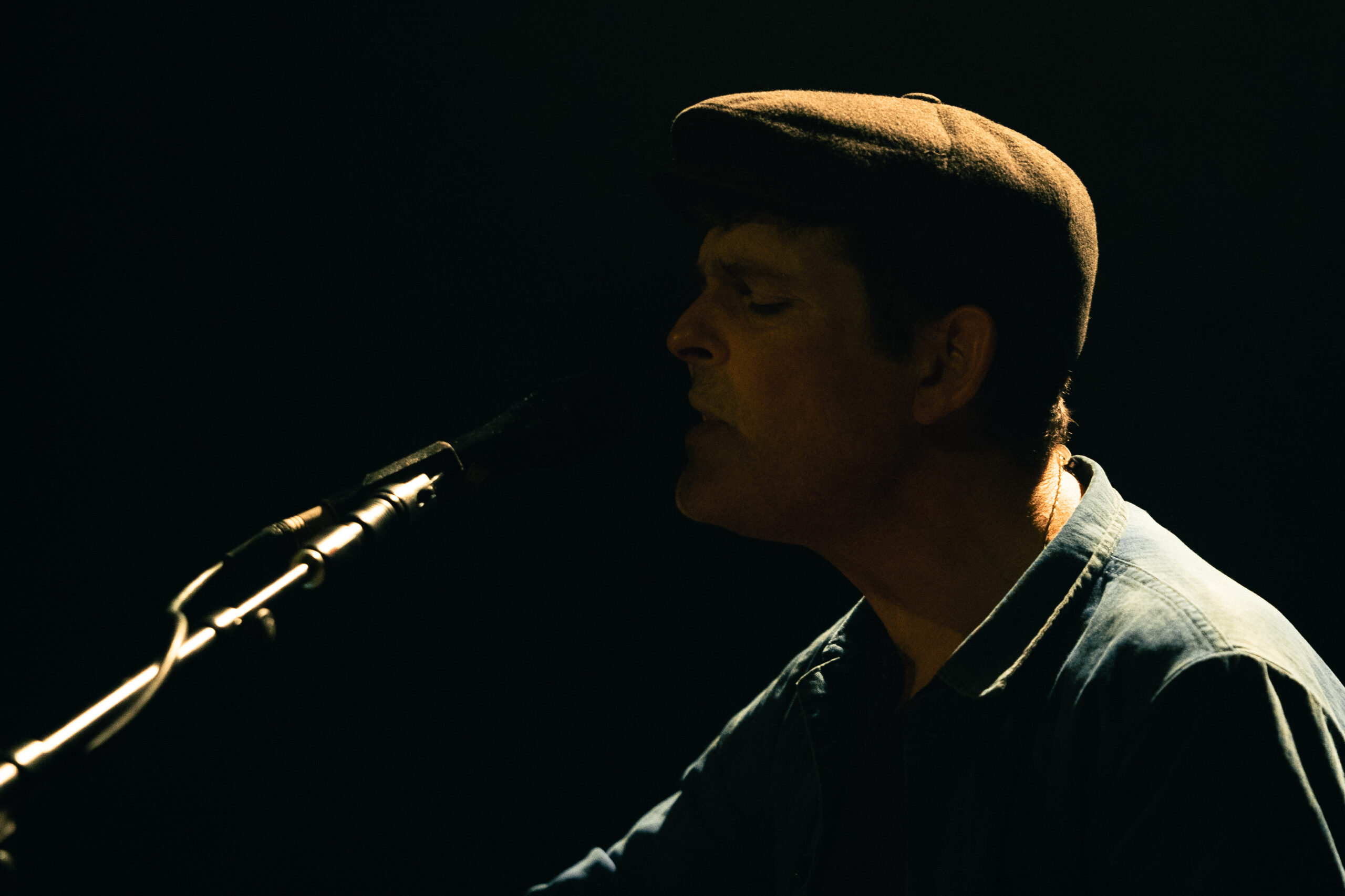
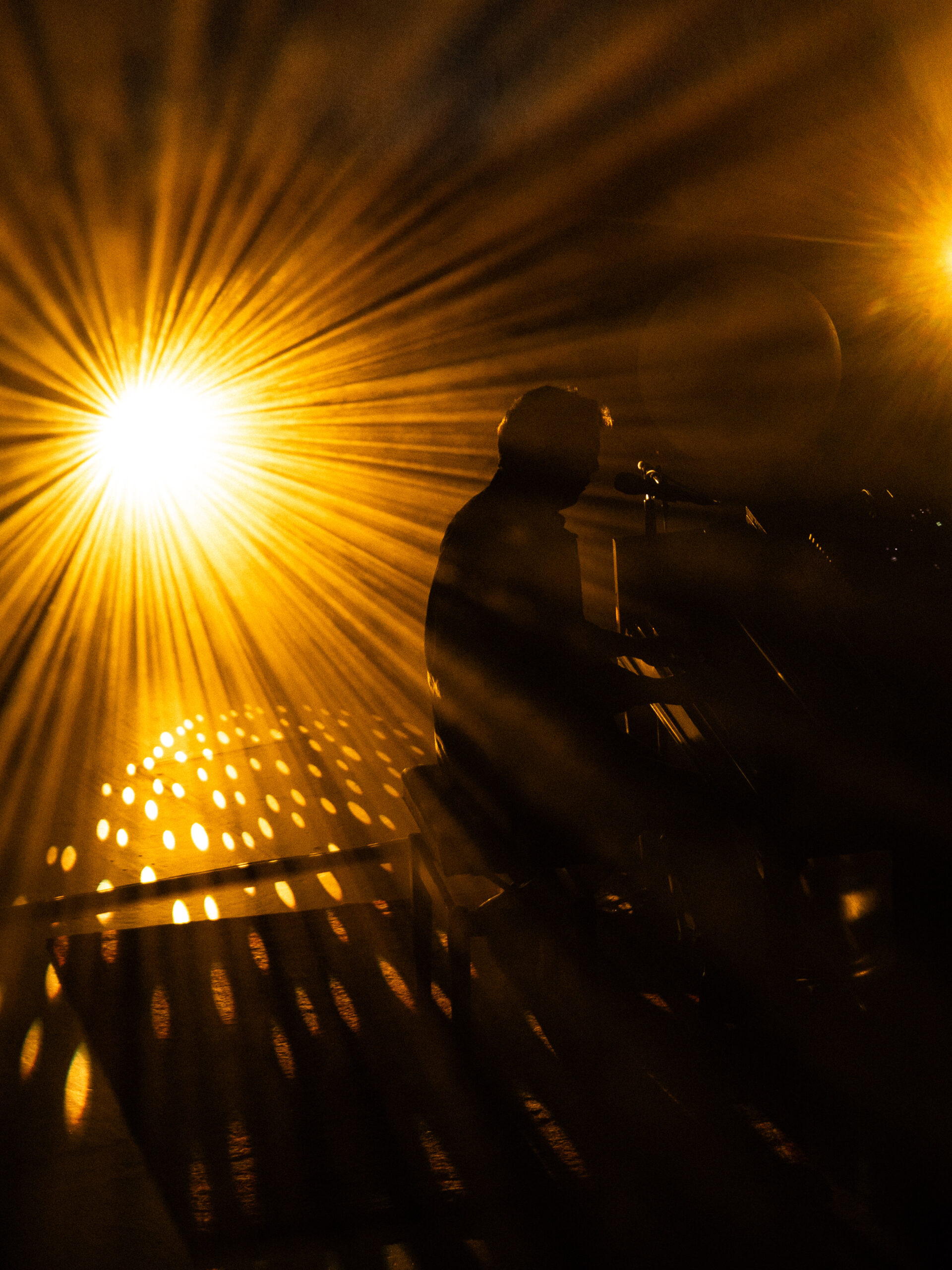
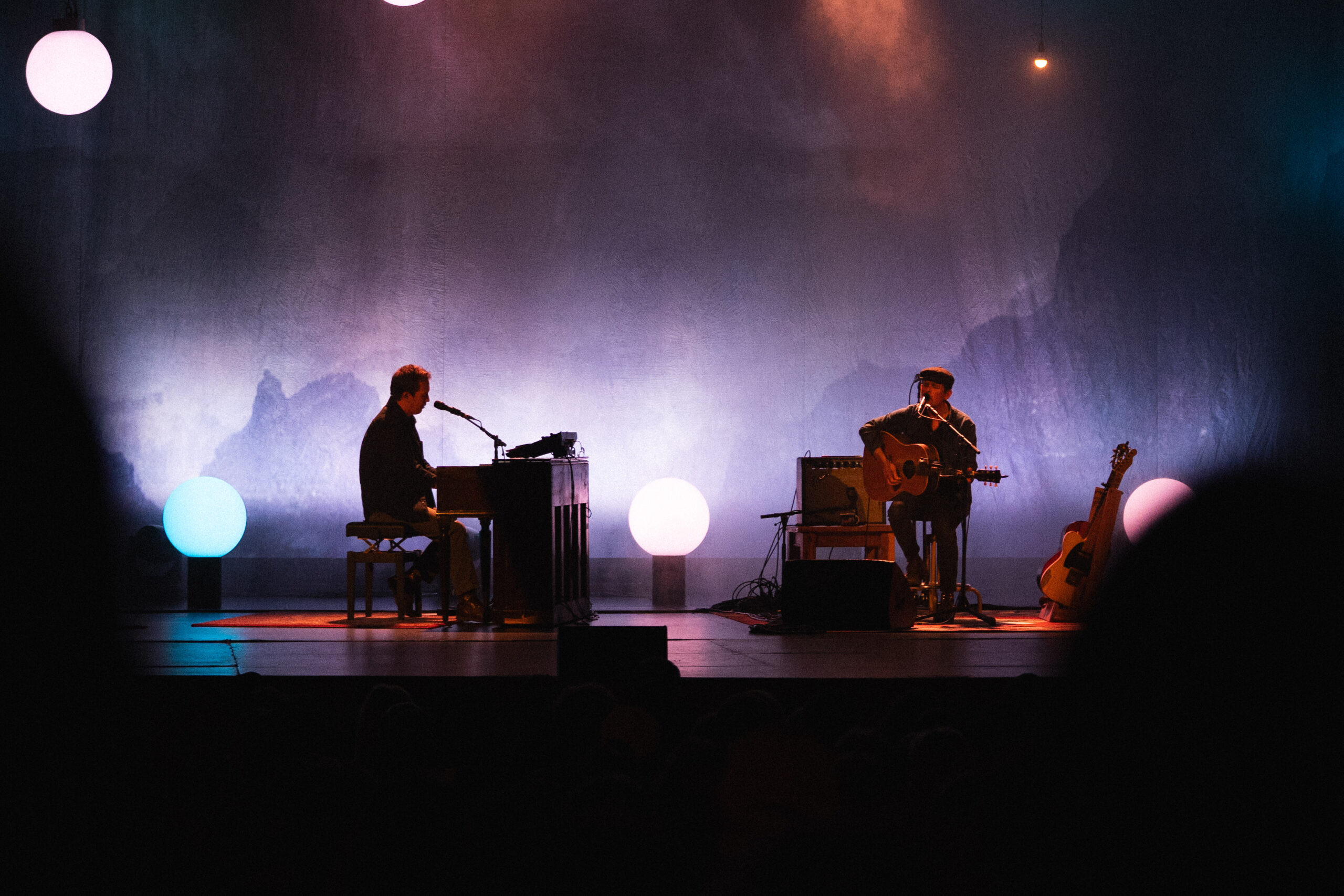
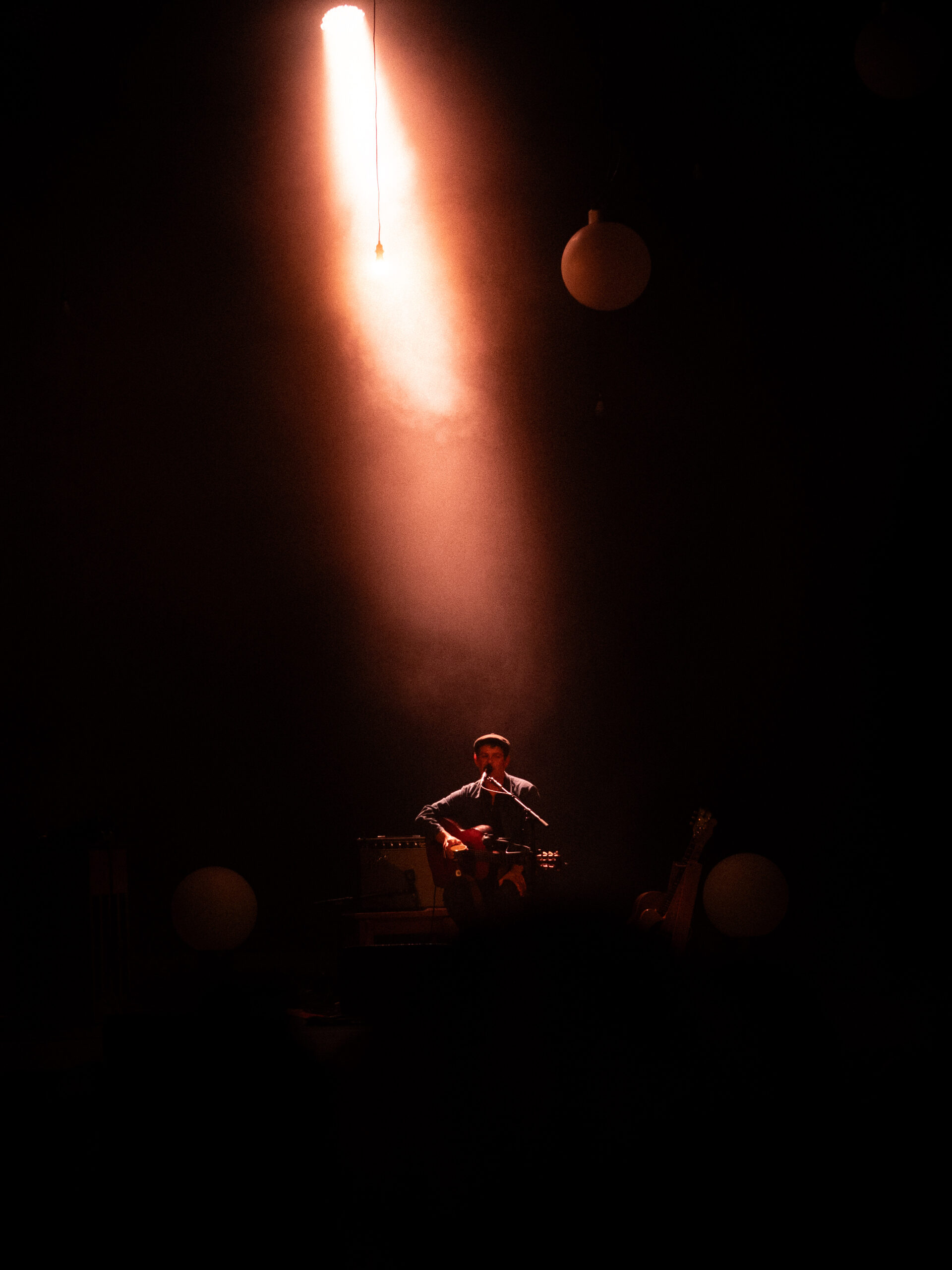
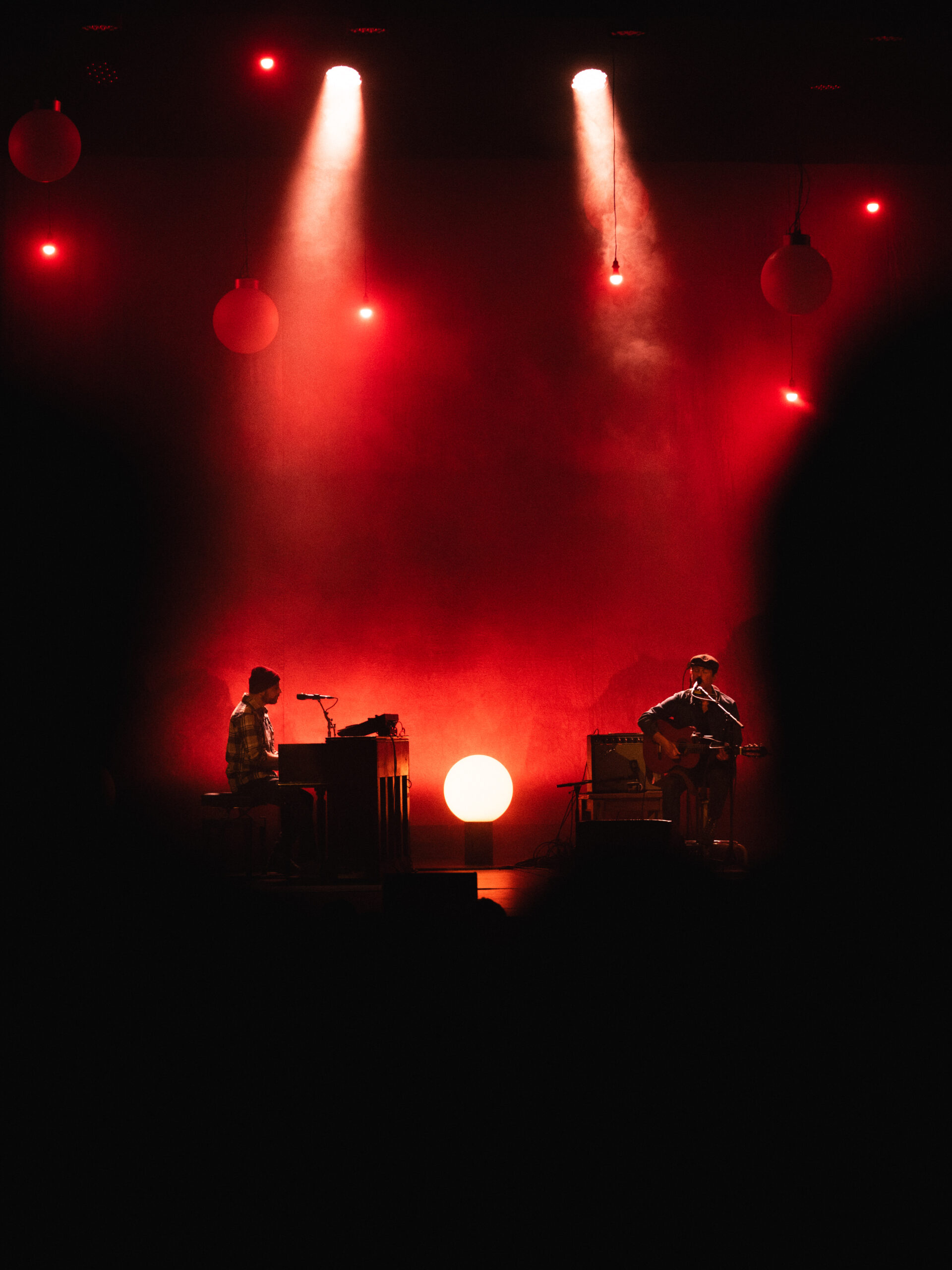
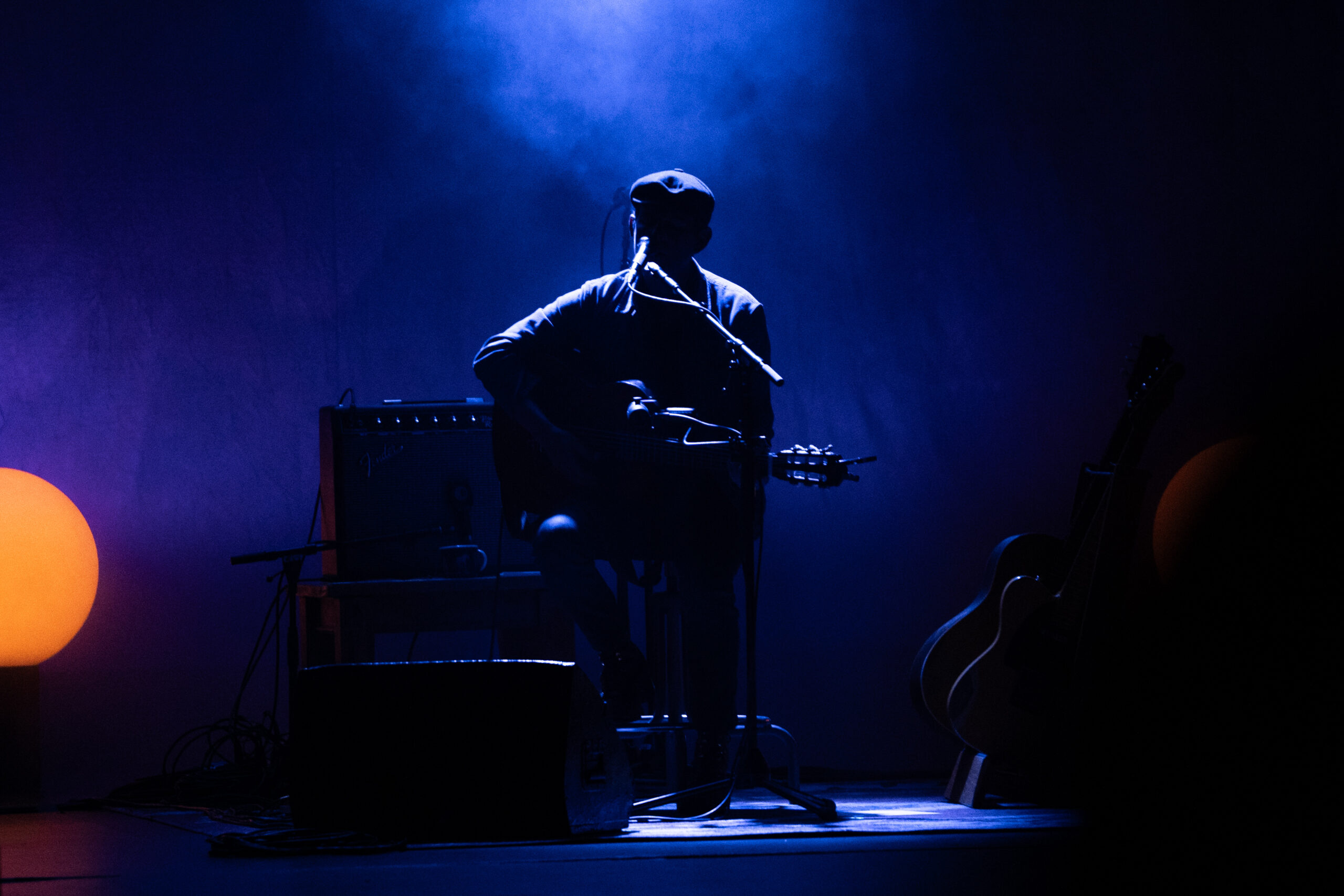
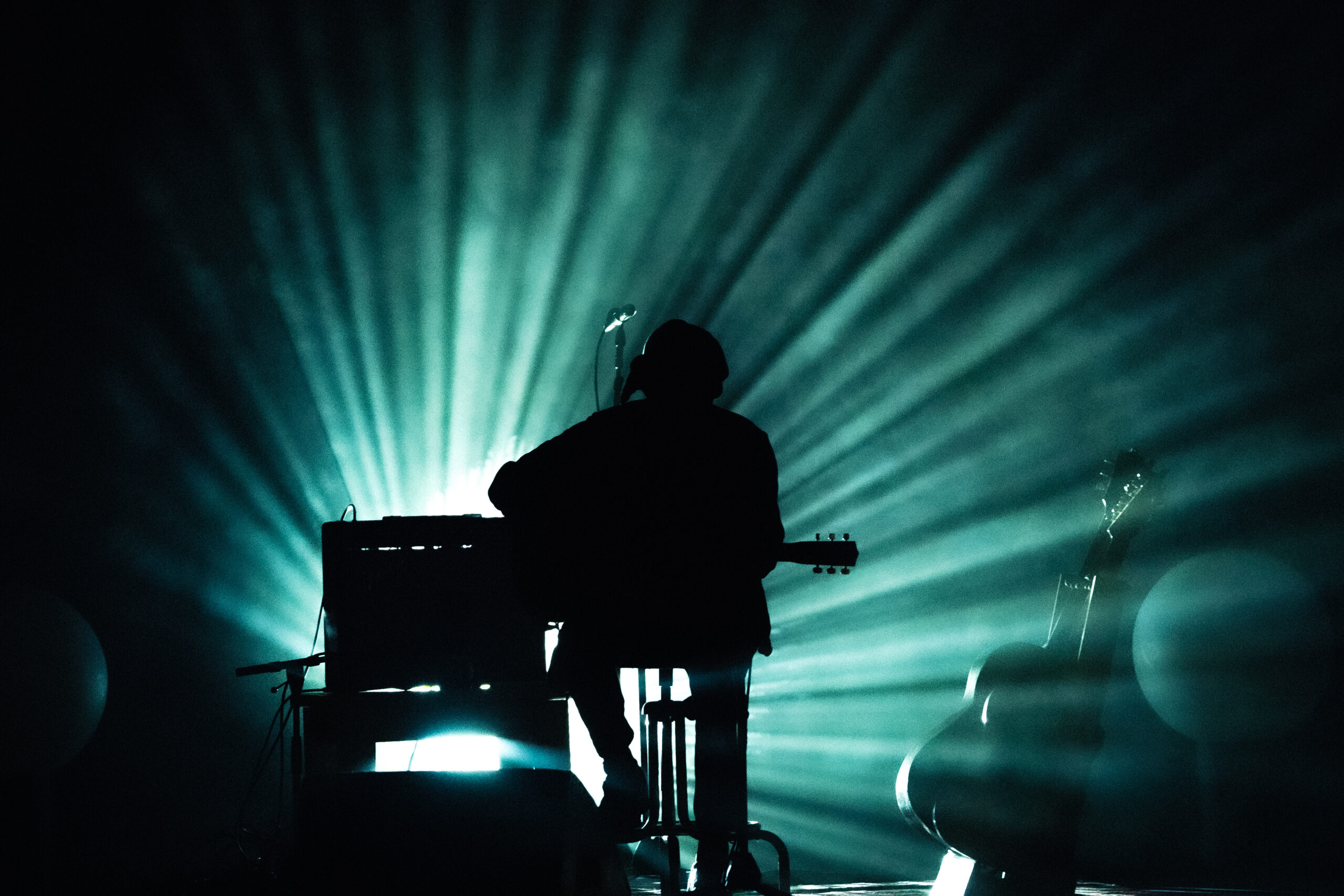
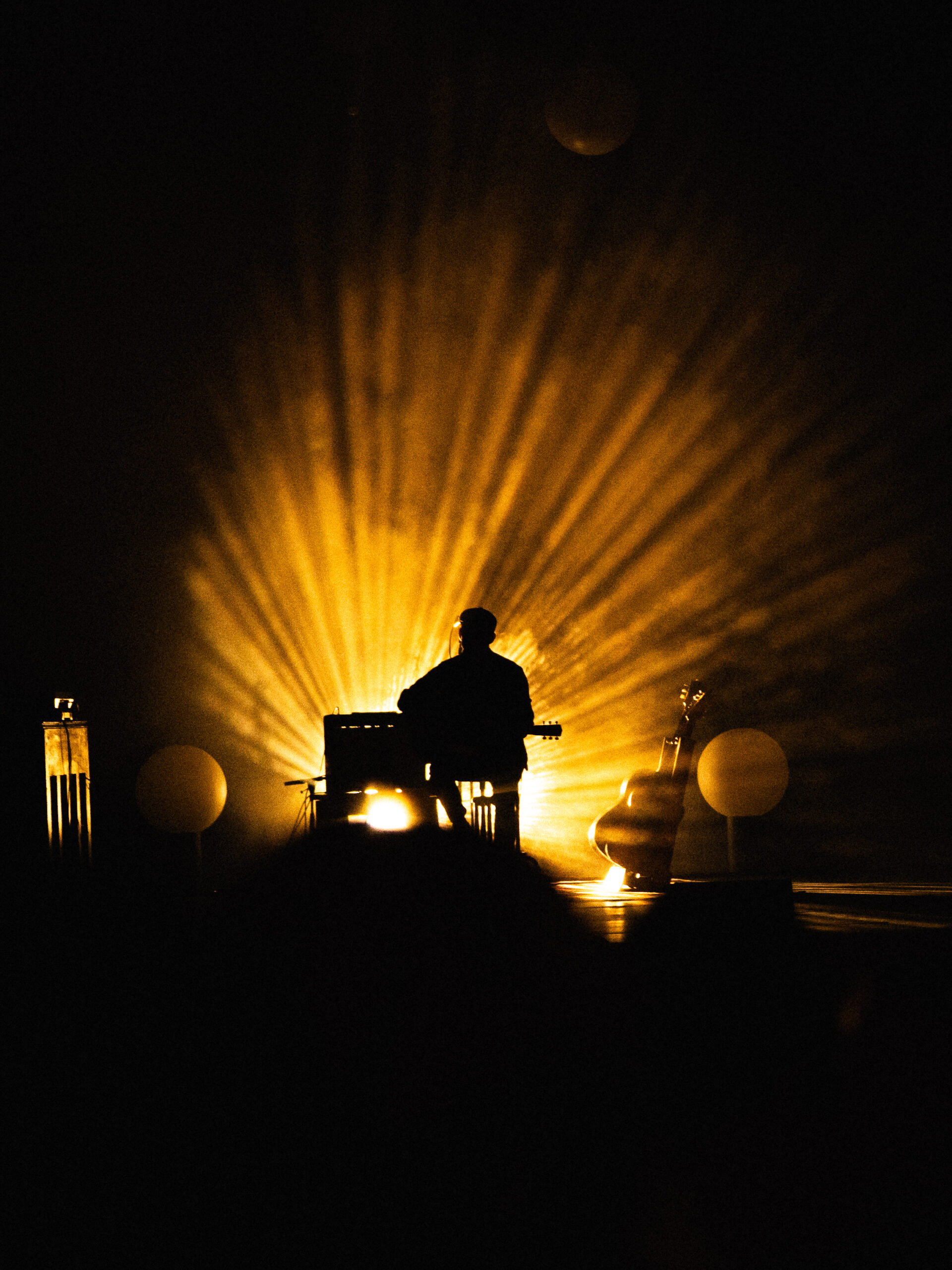
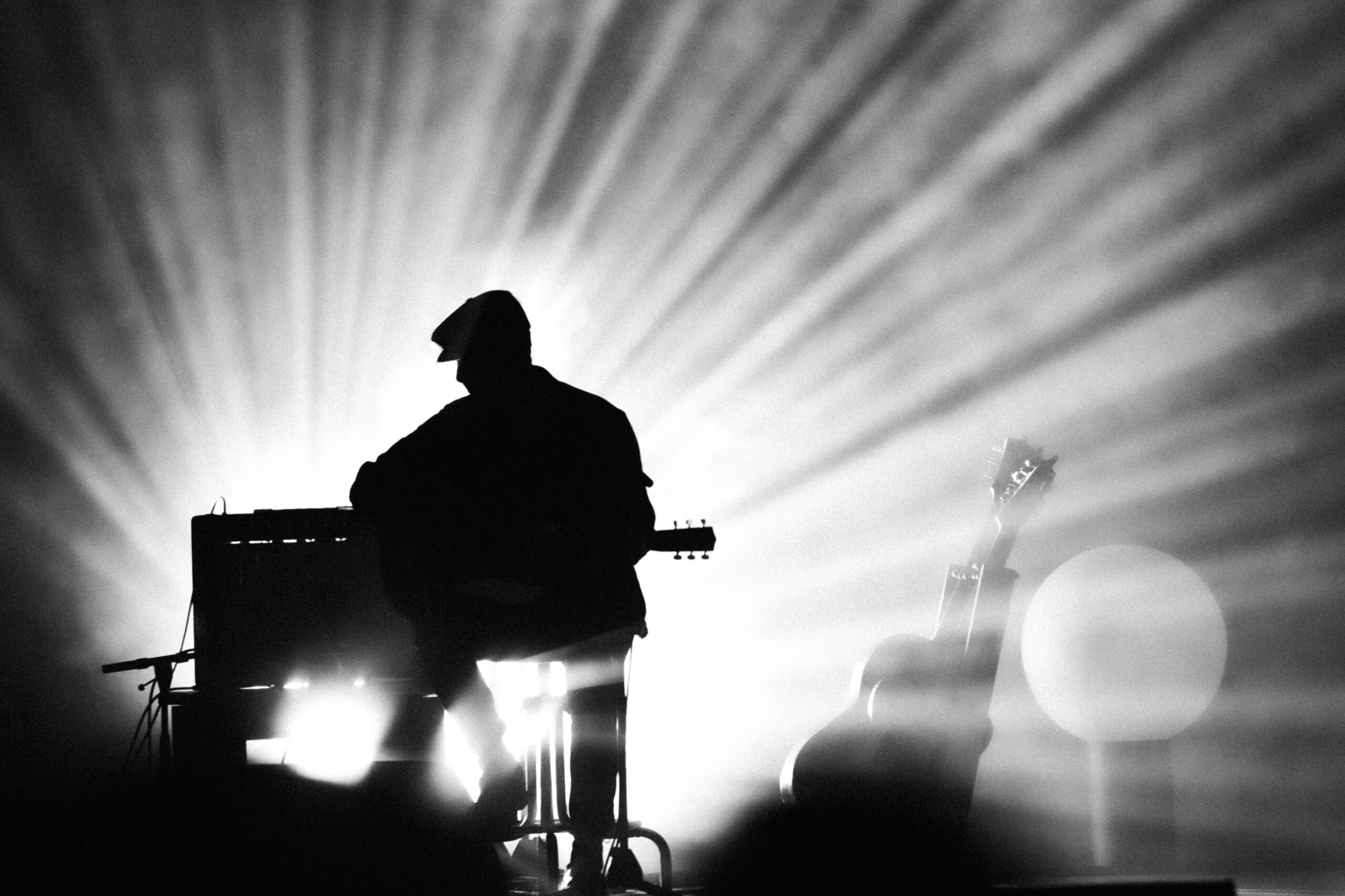
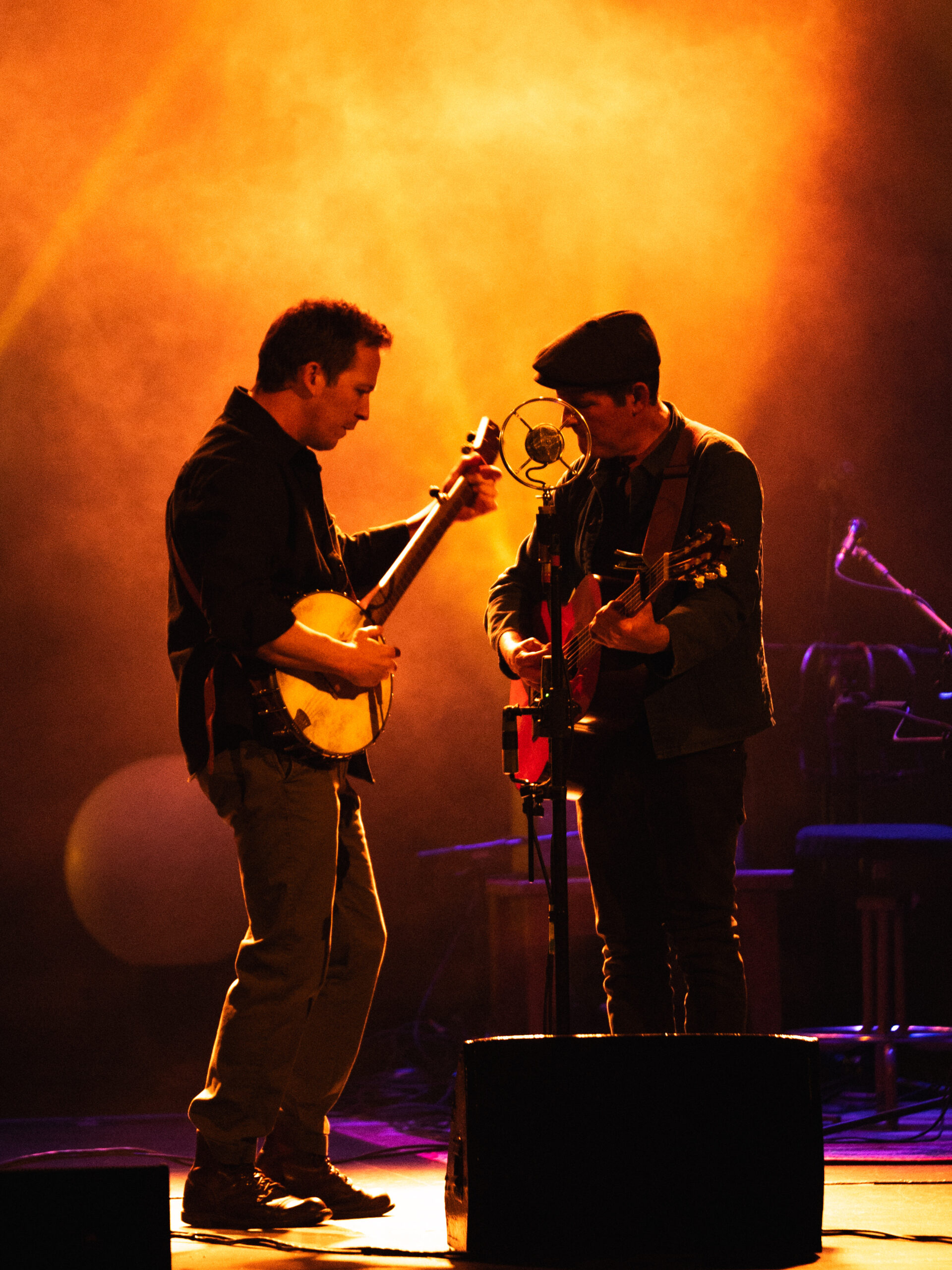
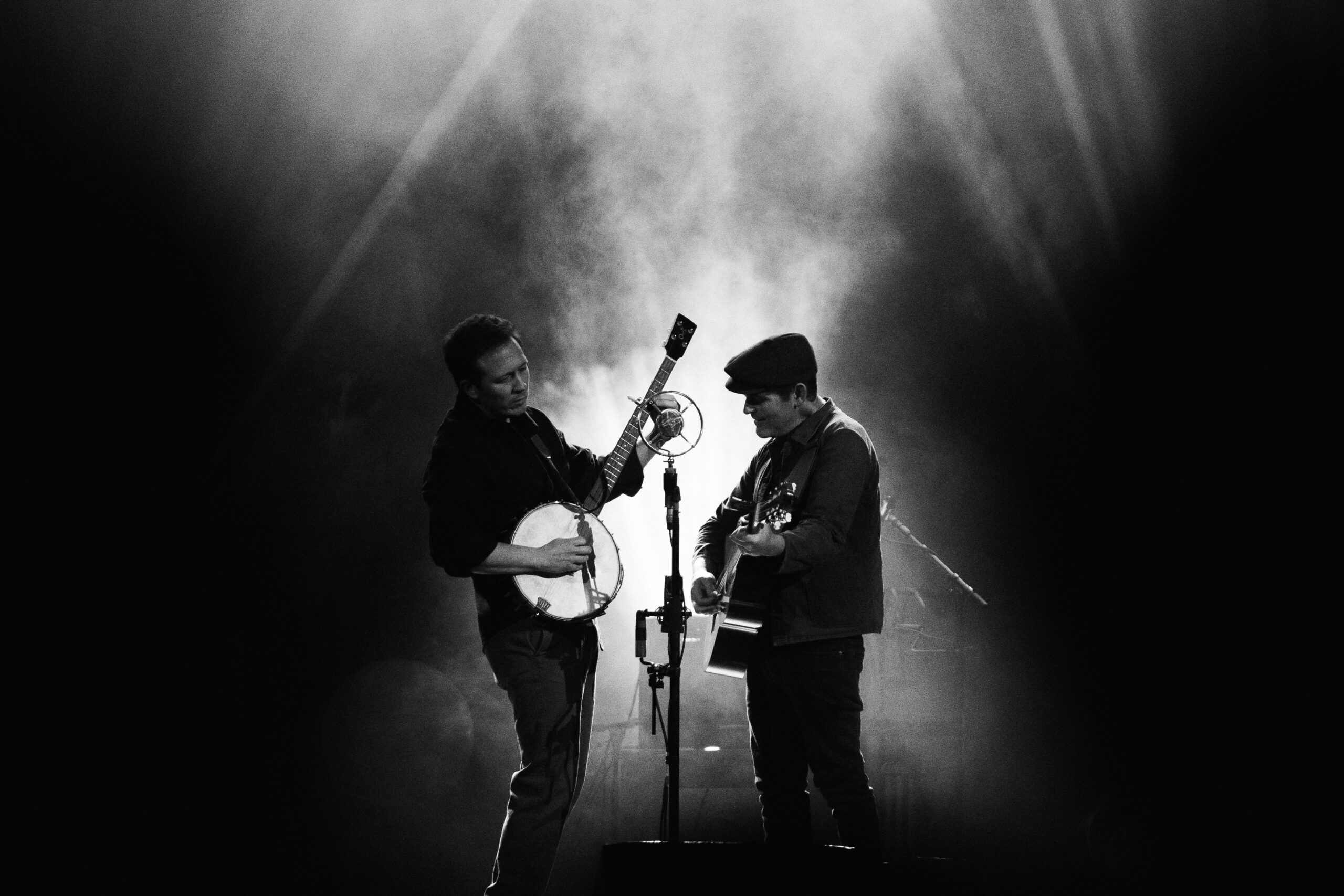
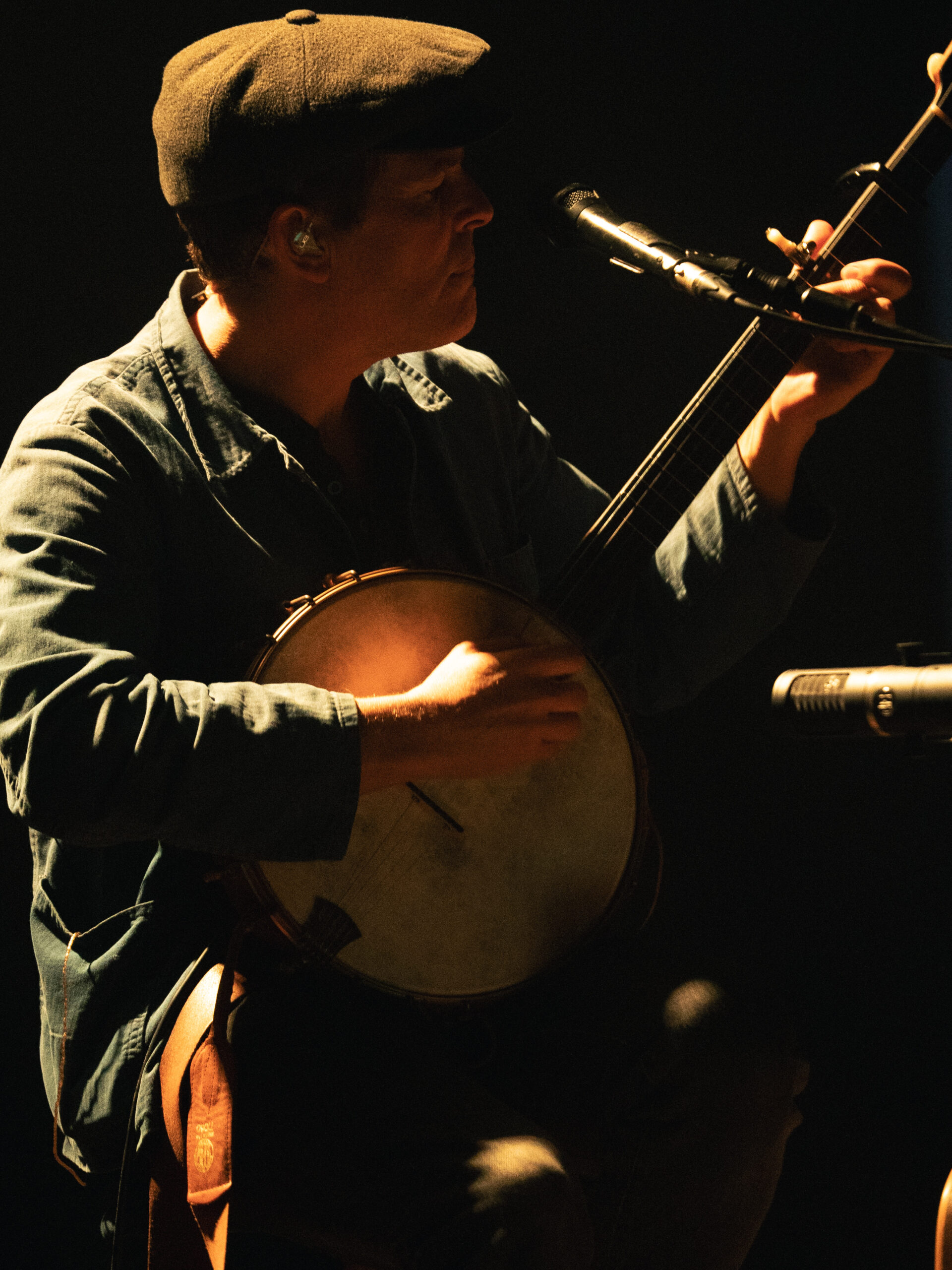
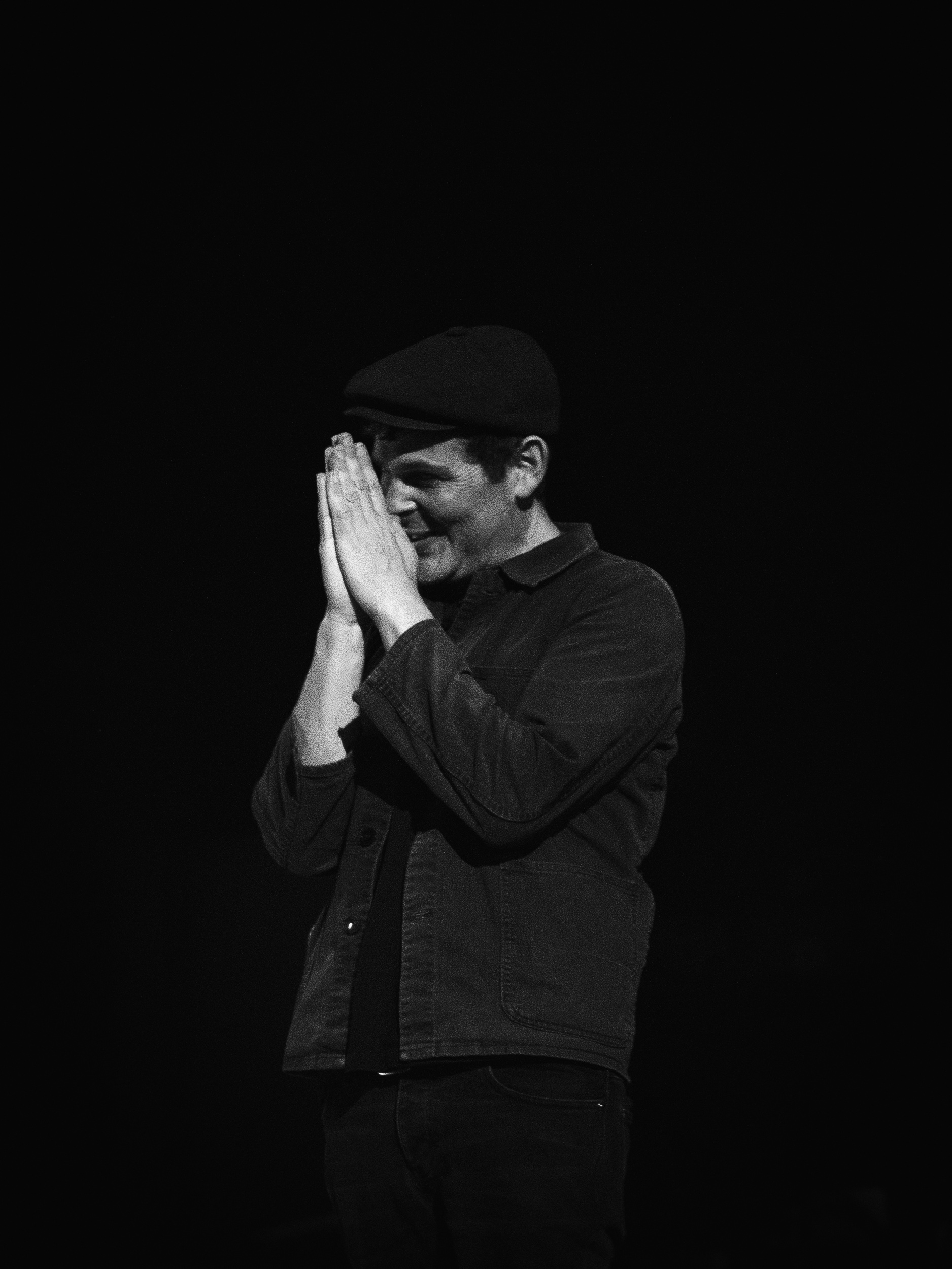
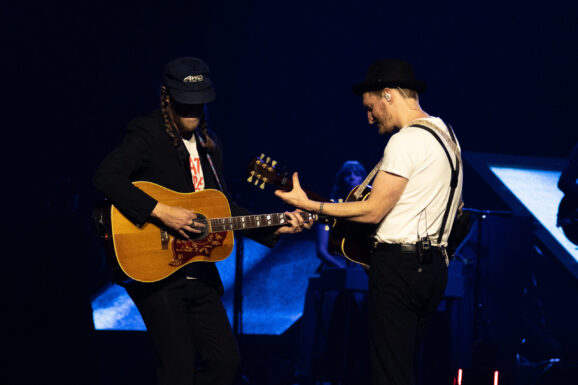
On January 16th, 2026, indie-folk songwriter Gregory Alan Isakov performed at the gorgeous Alabama Theatre in Birmingham, Alabama. He delivered a soft yet powerful performance that felt more like an intimate conversation than a concert. This was the third stop on his intimate acoustic winter tour. As soon as he took the stage with just a guitar, it was clear this would not be an evening driven by spectacle or volume. Instead, it promised something far more personal: an emotional journey built on storytelling.
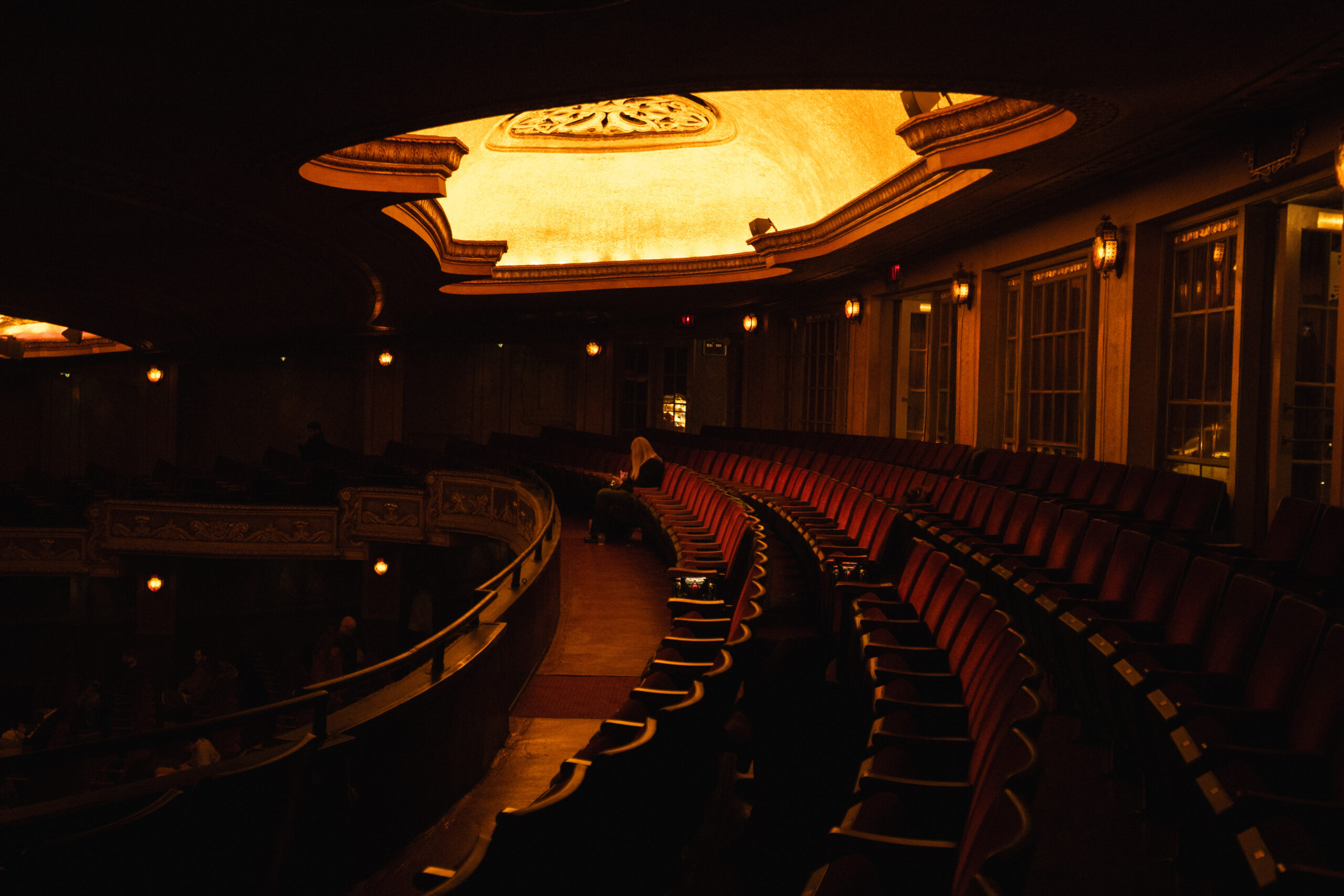
The Alabama Theatre felt tailor-made for a night like this. Its warm acoustics, ornate architecture, and gentle lighting created a sense of wonder before a single note was played. The audience seemed to recognize the gravity of the moment. There was a collective stillness while waiting for Isakov to begin, a weight that something rare was about to happen. With a sold-out crowd, he held everyone’s attention from start to finish, and it was impressive. Isakov opened gently, easing into the set with a tenderness that immediately drew the crowd into his pastoral soundscape. What began as a solitary guitar and voice slowly blossomed into layers of nuance and depth. Isakov demonstrated remarkable control over dynamics, knowing precisely when to let silence linger and when to lean into a melody. His songs unfolded patiently, never rushed, inviting listeners to settle fully into each moment.
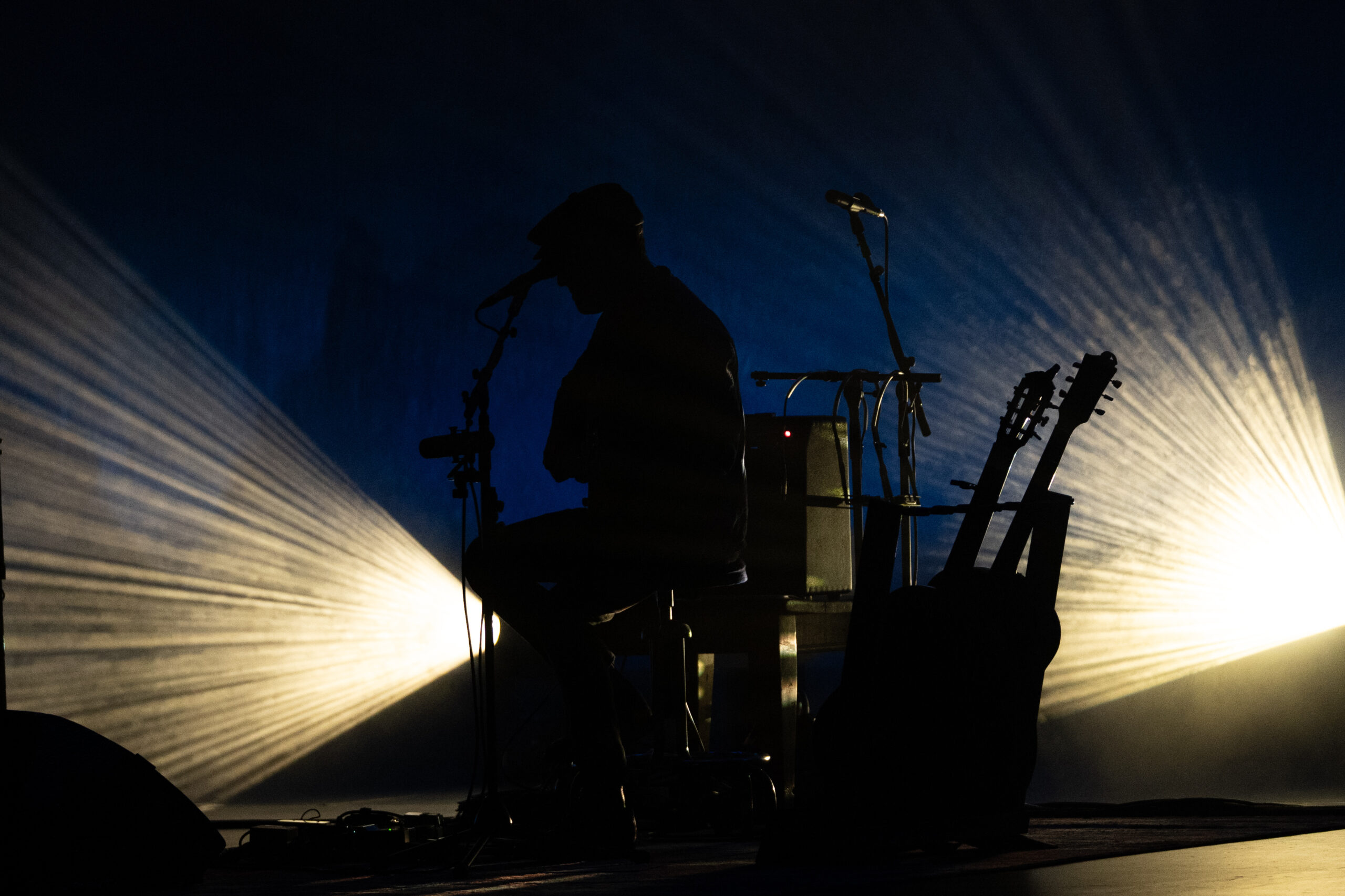
Between songs, Isakov spoke sparingly, but when he did, his words felt as intentional as his music. He shared affectionate reflections and small stories from his life on a Colorado farm. These moments grounded the evening in lived experience. His expressions of gratitude were quiet and sincere, never overstated, and they wove seamlessly into the emotional fabric of the set. These interludes made the evening feel personal, as though he were letting the audience in on something private rather than addressing them from a stage.
At one point, Isakov leaned into the room’s quiet and gently broke through what might have felt like a formal barrier with his own brand of understated humor. He spoke candidly about how daunting performing was for him in his early days, admitting that anxiety once made the idea of playing for large crowds nearly unbearable. With a soft laugh, he remarked that “it was difficult to go out and play in front of a lot of people, so that’s what I’m going to do.” The line landed with warmth and relatability, drawing smiles and soft laughter. He spoke more about his journey to playing larger shows and mentioned he landed what he considered his first major gig at a festival in Colorado. In his own humble style of joking, he added that he landed the 9:45 am slot at the event.
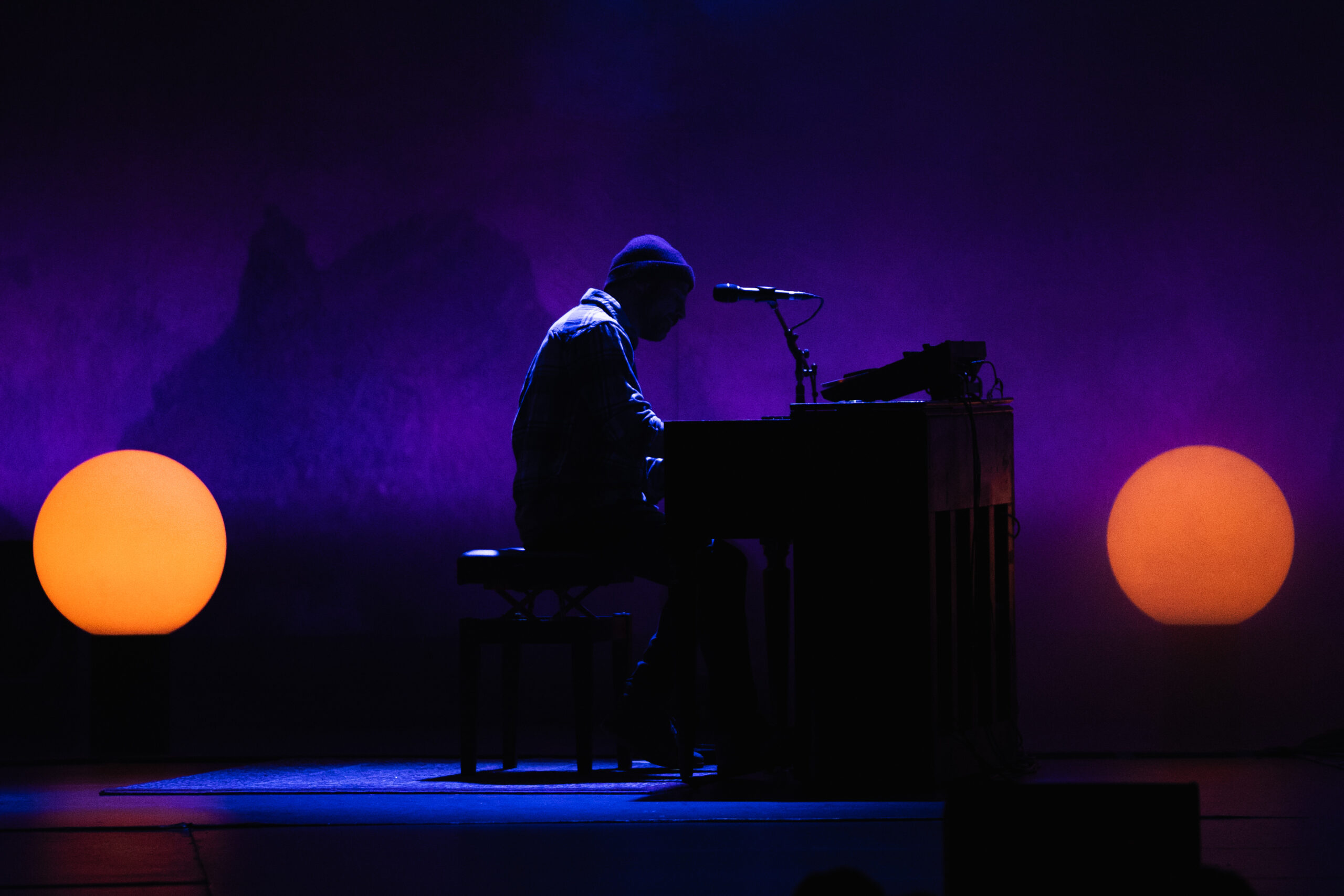
Despite his shy stage presence, he never commanded attention through theatrics or grand gestures. His quiet baritone carried worlds of imagery and memory, evoking landscapes, relationships, and fleeting moments with remarkable clarity. By the time the intermission arrived, there was a palpable sense of collective intimacy, as though the theater itself had softened and drawn closer. For a brief moment, it felt as if the vast room had become an extension of Isakov’s own living room.
A highlight of the night came through his interpretations of songs from Appaloosa Bones, woven thoughtfully alongside timeless pieces that longtime fans have come to love. Tracks like “The Stable Song” and “Big Black Car,” delivered slightly altered from the recorded version, inspired great cheer from the audience. These moments felt less like performance and more like communion—a shared understanding between artist and audience that the music itself was the focal point. Another song that has had its moment online and become very popular is “Sweet Heat Lightning.” This track has slowly become an important addition to Isakov’s catalog, with streams exceeding 110 million.
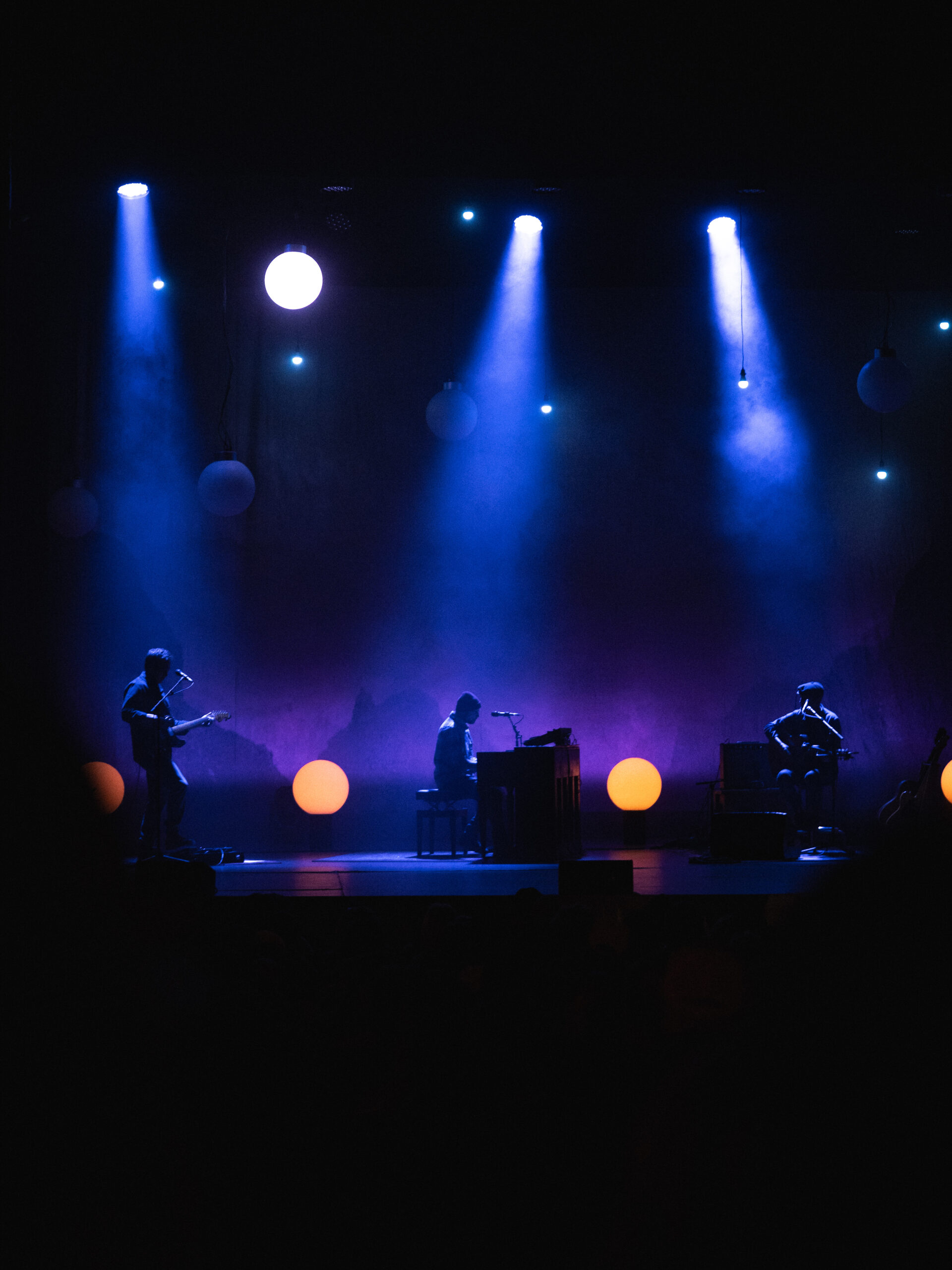
The fans were treated to not only the brilliance of Isakov but also his brother, Ilan, and longtime collaborator Steve Varney. Throughout the evening, Isakov would bring both to the stage for backup vocals and instrumental arrangements. Stories about him and his brother’s time as musicians were fascinating and allowed viewers to peek into the past. Isakov shared that his brother is his favorite writer.
In a touring climate dominated by volume, flash, and spectacle, Gregory Alan Isakov’s solo acoustic evening in Birmingham served as a powerful reminder that less can be more. This was a performance that trusted its audience to listen deeply and rewarded them for doing so.